


How to Prepare for Your Next Roof Install
A new roof is one of the most important investments you can make for your home. Whether your existing roof has reached the end of its lifespan or sustained significant damage, preparing in advance can help the project run smoothly from start to finish. Use this checklist to get your property, family, and schedule ready for your next roof install while minimizing unnecessary stress.
Understand the Scope of Your Roof Install
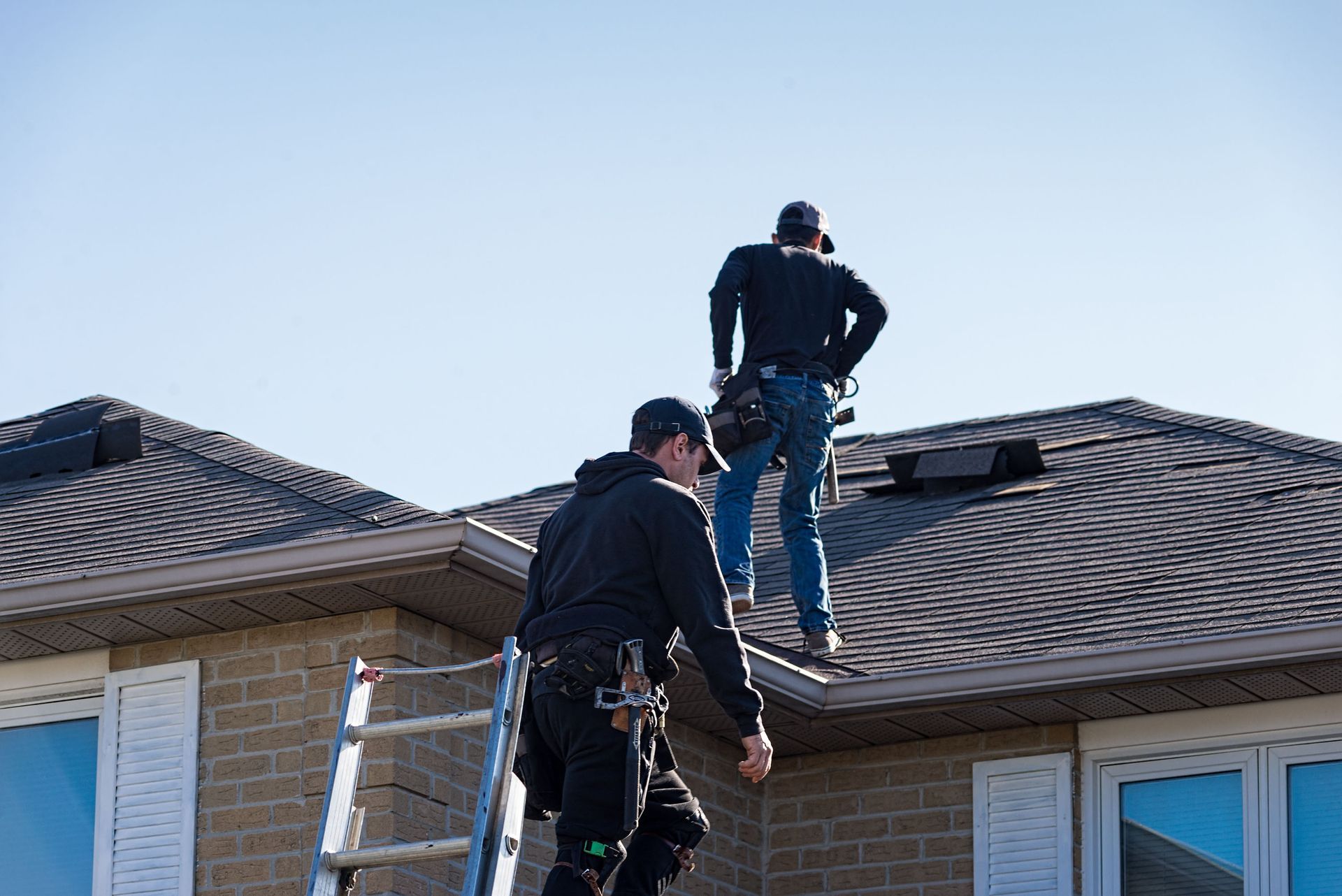
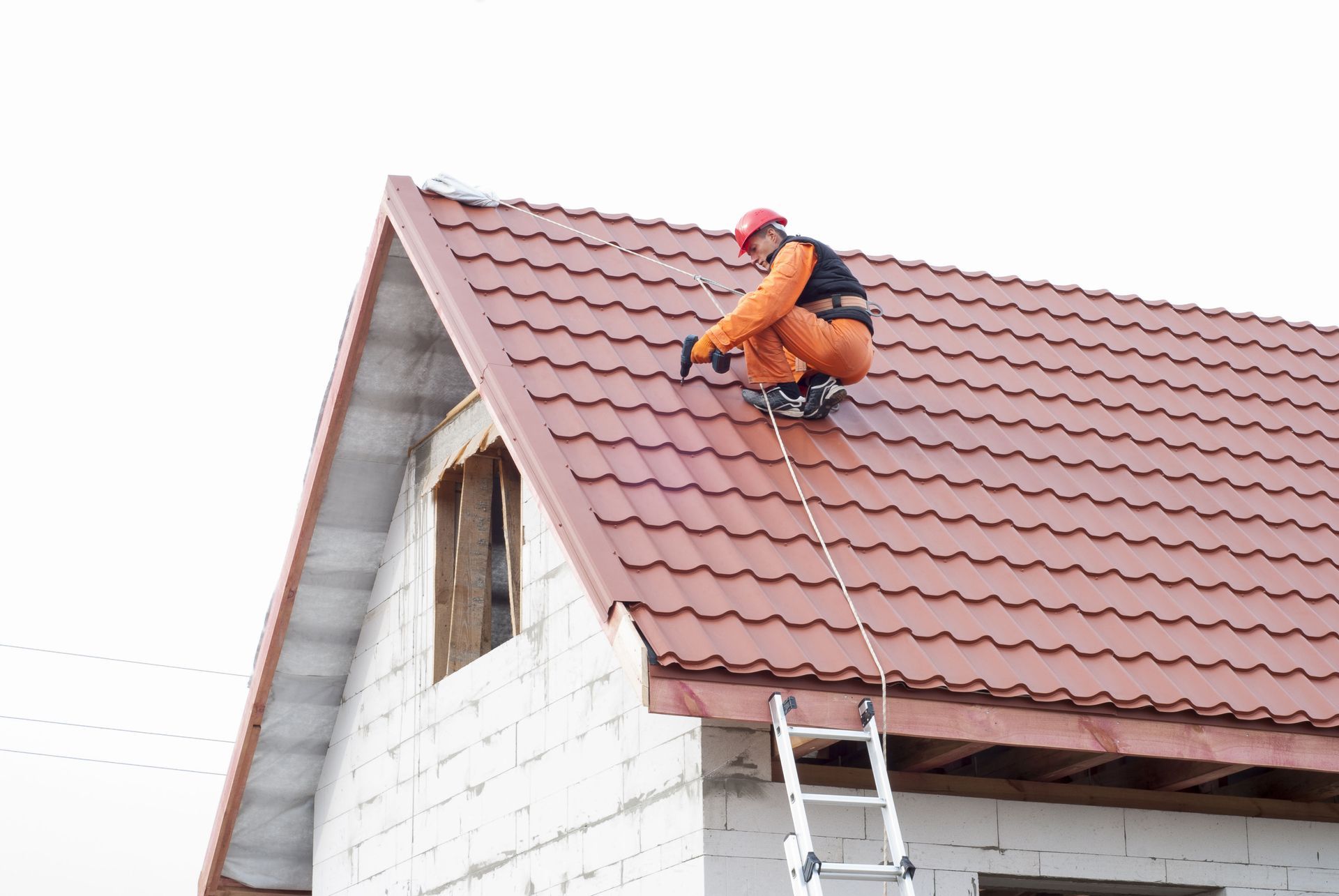
Before work begins, make sure you understand exactly what your roofing contractor will be doing. A professional roofing company should explain the timeline, materials, installation process, and what you can expect throughout the project. Knowing how each phase will unfold can help you prepare your home, coordinate your schedule, and feel more confident throughout the installation process.
Ask questions about:
- The estimated start and completion dates
- The roofing materials are being installed
- Whether the old roofing materials will be removed
- Daily work hours
- Cleanup procedures
- Warranty information
You should also ask whether weather delays could affect the schedule, who your primary point of contact will be during the project, and how the crew will protect your landscaping and property while work is underway. Understanding how unexpected issues, such as hidden roof deck damage, will be handled can also help you avoid surprises. Having clear expectations before your roof install begins helps prevent misunderstandings, keeps communication open between you and your contractor, and allows you to plan accordingly.
Choose the Right Roofing Materials
The roofing material you select affects your home's appearance, durability, maintenance requirements, and overall value. Consider factors such as your home's architectural style, your budget, and the local climate when making your decision. Different roofing materials also have varying lifespans, energy efficiency benefits, and maintenance needs, making it important to weigh both short-term costs and long-term performance.
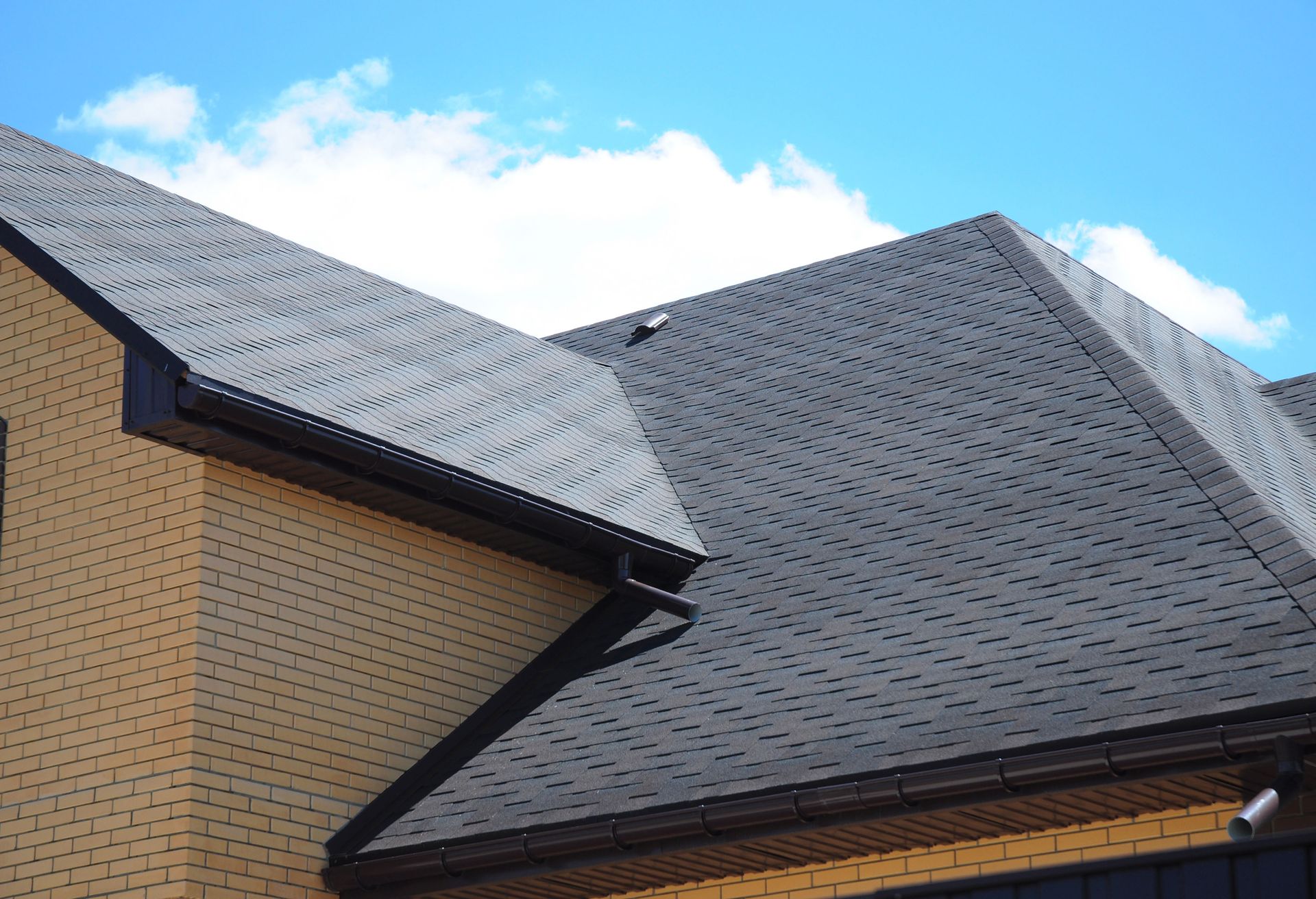
Many homeowners choose asphalt shingles because they provide an excellent balance of affordability, performance, and curb appeal. They are available in a wide range of colors and styles, making it easier to complement your home's exterior. Your roofing contractor can recommend options that fit your needs and help you compare colors, styles, manufacturer warranties, and expected lifespans. They can also explain how different products perform under changing weather conditions and which options best suit your home's structure.
Taking the time to choose materials before installation day helps avoid delays once the project is underway and ensures you feel confident in your investment for years to come.
Prepare Your Property
Roofing projects involve heavy equipment, falling debris, and frequent movement around your home. Preparing your property in advance helps protect your belongings and creates a safer work environment.
Complete this checklist before installation begins:
- Move vehicles out of the driveway.
- Remove patio furniture, grills, and outdoor decorations.
- Cover landscaping or delicate plants if your contractor recommends it.
- Store lawn ornaments, potted plants, and garden accessories away from the work area.
- Unlock any gates that provide access to the backyard.
- Keep walkways free of obstacles.
Making the work area accessible allows the roofing crew to complete the job more efficiently.
Protect Your Home's Interior
Although roofing work takes place outside, vibrations from removing old roofing materials and installing new ones can affect the inside of your home.
Before your project starts:
- Remove fragile items from walls and shelves.
- Secure valuable decorations and collectibles.
- Cover items stored in the attic to protect them from dust.
- Move breakable belongings away from upper-level walls.
- Close attic access doors if possible.
These simple steps can help reduce the risk of accidental damage during your roof install.
Plan for Noise and Daily Disruptions
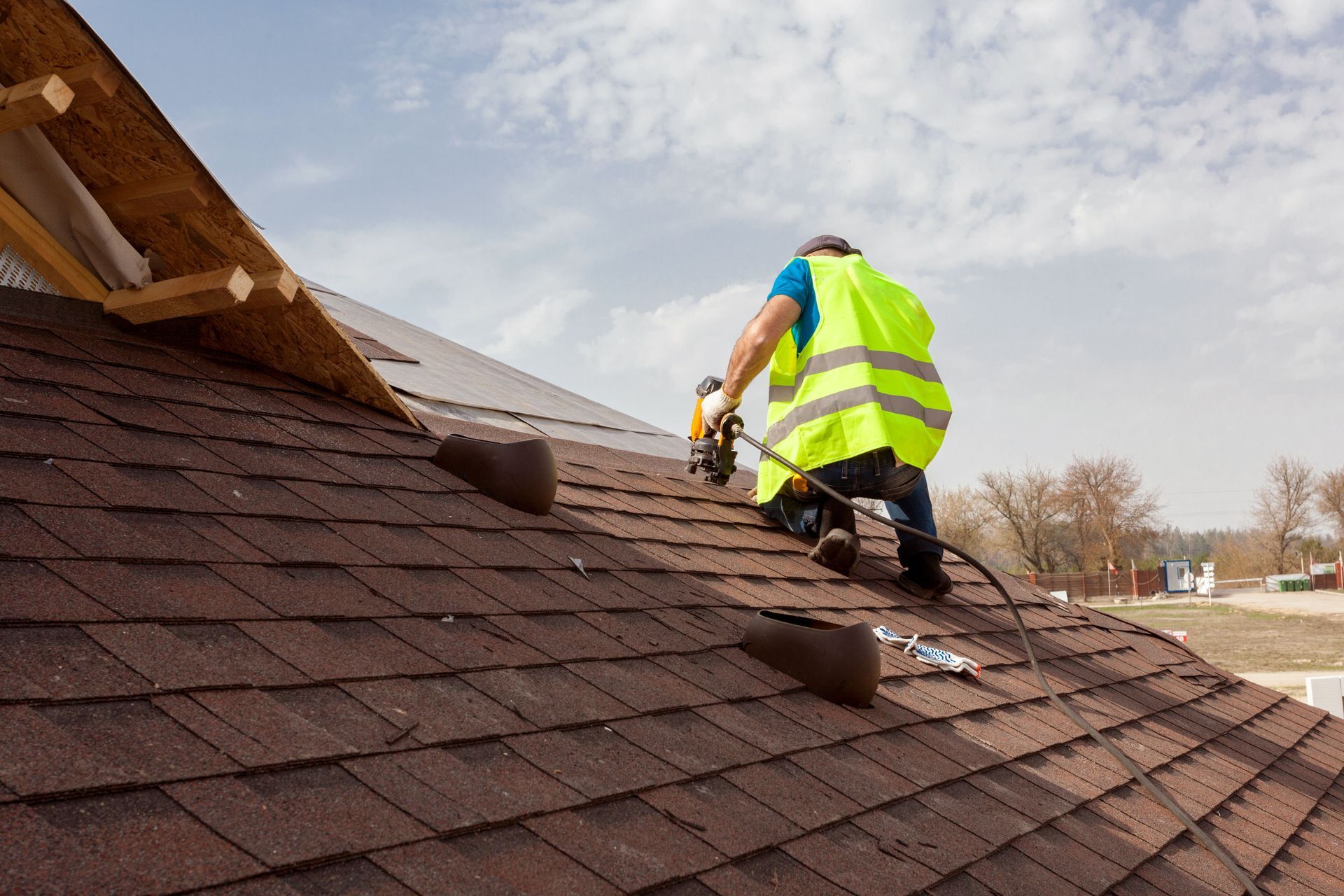
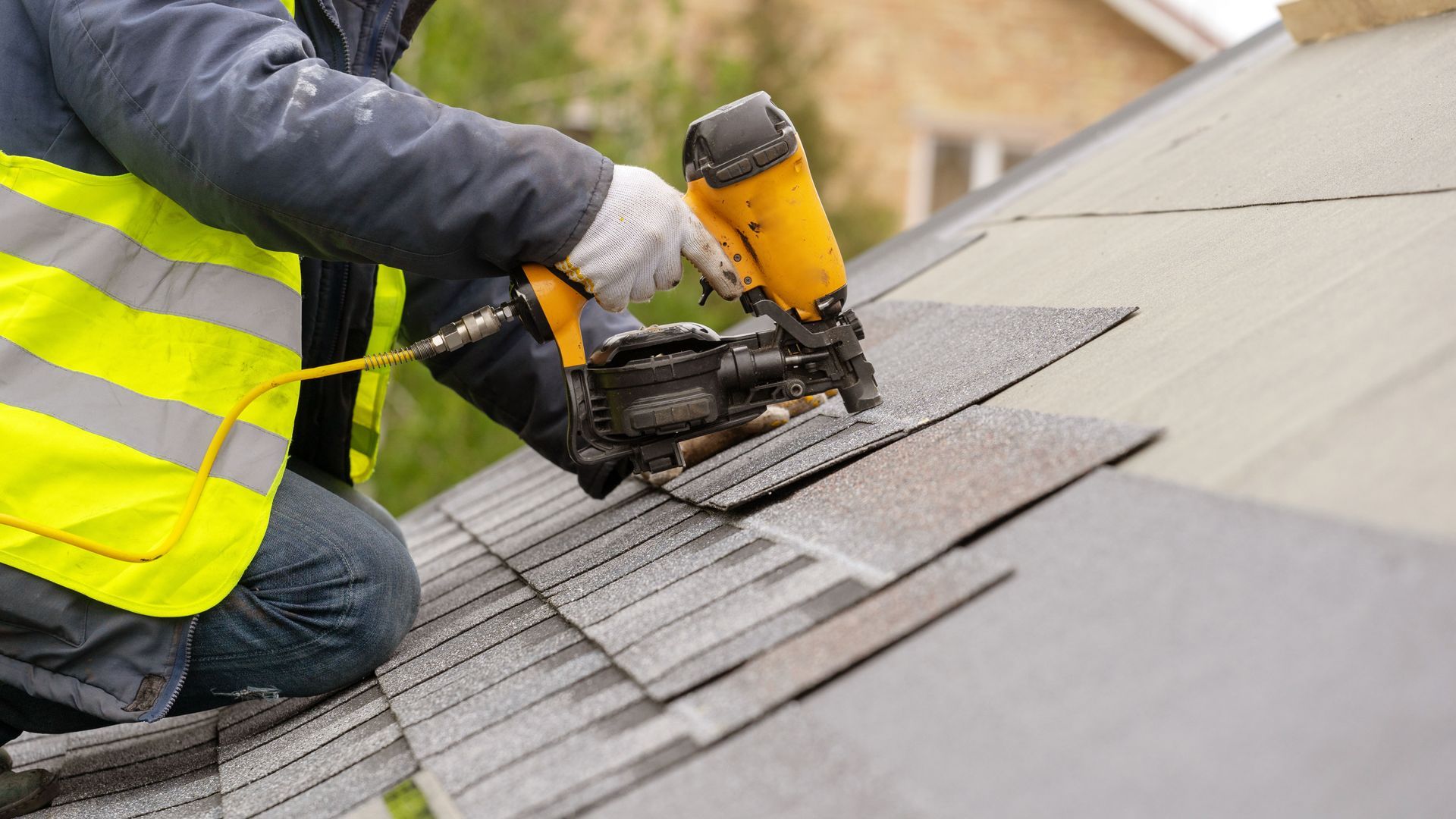
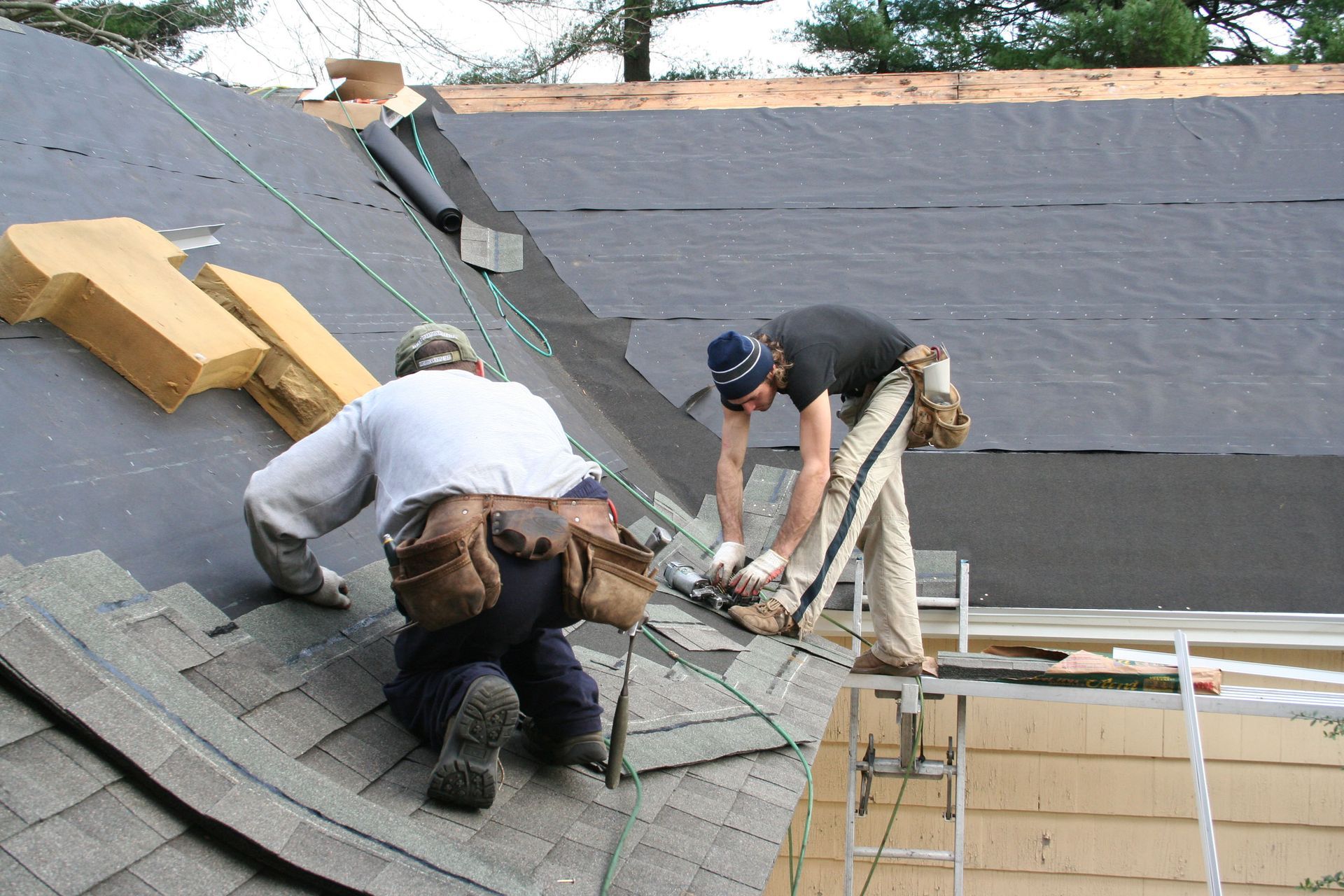
Roof replacement projects can be noisy throughout the day. Hammering, material removal, and equipment operation are all normal parts of the installation process. Depending on the size and complexity of the project, these activities may continue for several days, so it is helpful to prepare in advance for temporary disruptions to your daily routine.
If you work from home, consider scheduling meetings at another location during the loudest portions of the project. Families with young children or pets may also want to make temporary arrangements if loud construction noises are likely to cause stress. If you have outdoor activities planned, you may also want to reschedule them until the project is complete. Let family members know what to expect each day so everyone can plan around the work schedule and avoid unnecessary interruptions.
Planning ahead helps everyone remain comfortable while the roofing crew completes the installation and allows the project to progress as efficiently as possible.
Keep Children and Pets Safe
Construction zones present hazards that curious children and pets may not recognize. Roofing crews use ladders, power tools, and heavy materials that require a safe working environment.
To help keep everyone safe:
1. Keep children away from the work area.
2. Keep pets indoors or at another location during construction.
3. Do not allow anyone to enter restricted work zones.
4. Follow any safety instructions provided by your roofing contractor.
A little extra planning can prevent unnecessary accidents during work.
Understand the Factors That Affect Project Costs
Several factors influence the overall cost of a roofing project. Material selection, roof size, accessibility, and structural complexity all play a role.
According to HomeGuide, roofs with slopes steeper than a 6:12 pitch generally cost more to replace because the additional labor and enhanced safety precautions increase installation requirements.
Understanding these factors beforehand makes it easier to plan your budget and avoid surprises during your project.
Verify Access to Utilities
Your roofing contractor may need access to exterior electrical outlets or water during the project. Make sure these areas remain accessible before work begins.
You should also:
- Confirm where materials will be delivered.
- Identify areas that should remain off limits.
- Let your contractor know about underground sprinkler systems or other features near the home.
Good communication helps prevent delays and keeps the project moving forward.
Prepare Your Neighbors
Roof replacement projects naturally create additional noise and activity. Giving your neighbors advance notice is a thoughtful way to prepare them for temporary disruptions.
Consider letting them know:
- The anticipated project dates
- Expected work hours
- Temporary parking limitations
- Increased construction noise
Good communication helps maintain positive relationships throughout the project.
Review the Final Project Details
A few days before installation begins, review all project details with your contractor. Confirm that everyone understands the agreed-upon schedule, materials, and expectations.
Your final checklist should include:
- Signed contract
- Material selections
- Project timeline
- Warranty information
- Payment schedule
- Emergency contact information
Reviewing these details one last time gives you confidence that everything is ready before work starts.
Know What to Expect After a Roof Install
Once your new roof has been installed, your contractor should perform a final walkthrough and answer any remaining questions. They should also explain recommended maintenance practices and review warranty coverage.
After the project is complete, take time to:
- Inspect the finished roof with your contractor.
- Ask questions about ongoing maintenance.
- Review cleanup around your property.
- Store warranty documents in a safe location.
- Schedule future roof inspections as recommended.
Following these steps helps protect your investment and keeps your roof performing its best for years to come.
Preparing for a roof install does not have to be overwhelming when you have a clear plan in place. By organizing your property, protecting your belongings, communicating with your contractor, and understanding what to expect, you can help ensure the project proceeds as smoothly as possible. When you are ready to schedule your next roof install, trust Rapid Roofing, Inc. for professional roofing services and dependable workmanship that protects your home.


Share On: