


Seasonal Roofing Tips Every New York Homeowner Should Know
Living in New York means experiencing four distinct, dramatic seasons that put every inch of your home’s exterior through a grueling endurance test. From blistering July humidity and sudden autumn windstorms to heavy lake-effect snowstorms and spring freeze-thaw cycles, your roof serves as your household's primary shield against unpredictable weather. Most homeowners take that overhead protection for granted until dark water stains bloom across a living room ceiling or curled shingles land in the yard after a windy night. Waiting for a leak to appear inside your home usually means moisture has already soaked through wooden roof decking and damaged attic insulation.
Taking a seasonal approach to roof care helps you catch minor wear before extreme Empire State weather turns a simple patch into a major structural overhaul. Each shift in temperature affects shingles, metal flashing, and attic airflow differently, requiring targeted attention throughout the calendar year. Partnering with experienced roofers ensures that subtle storm bruises, loose flashing collars, and ventilation bottlenecks are spotted and corrected early. Exploring practical seasonal habits helps New York homeowners extend the life of their roofing materials, preserve energy efficiency, and keep their families safe and dry year-round.
Inspecting Shingle Condition in Early Spring
Once winter snowbanks finally melt away, early spring offers the first clear look at how your roof weathered months of freezing temperatures and heavy snow loads. High winter winds frequently lift shingle tabs, break adhesive seals, and strip away protective mineral granules, leaving bare asphalt exposed to incoming spring rainstorms. Walking around your property with binoculars lets you check for missing shingles, buckled ridges, and dark streaks along the slopes without climbing onto damp, slippery decking.
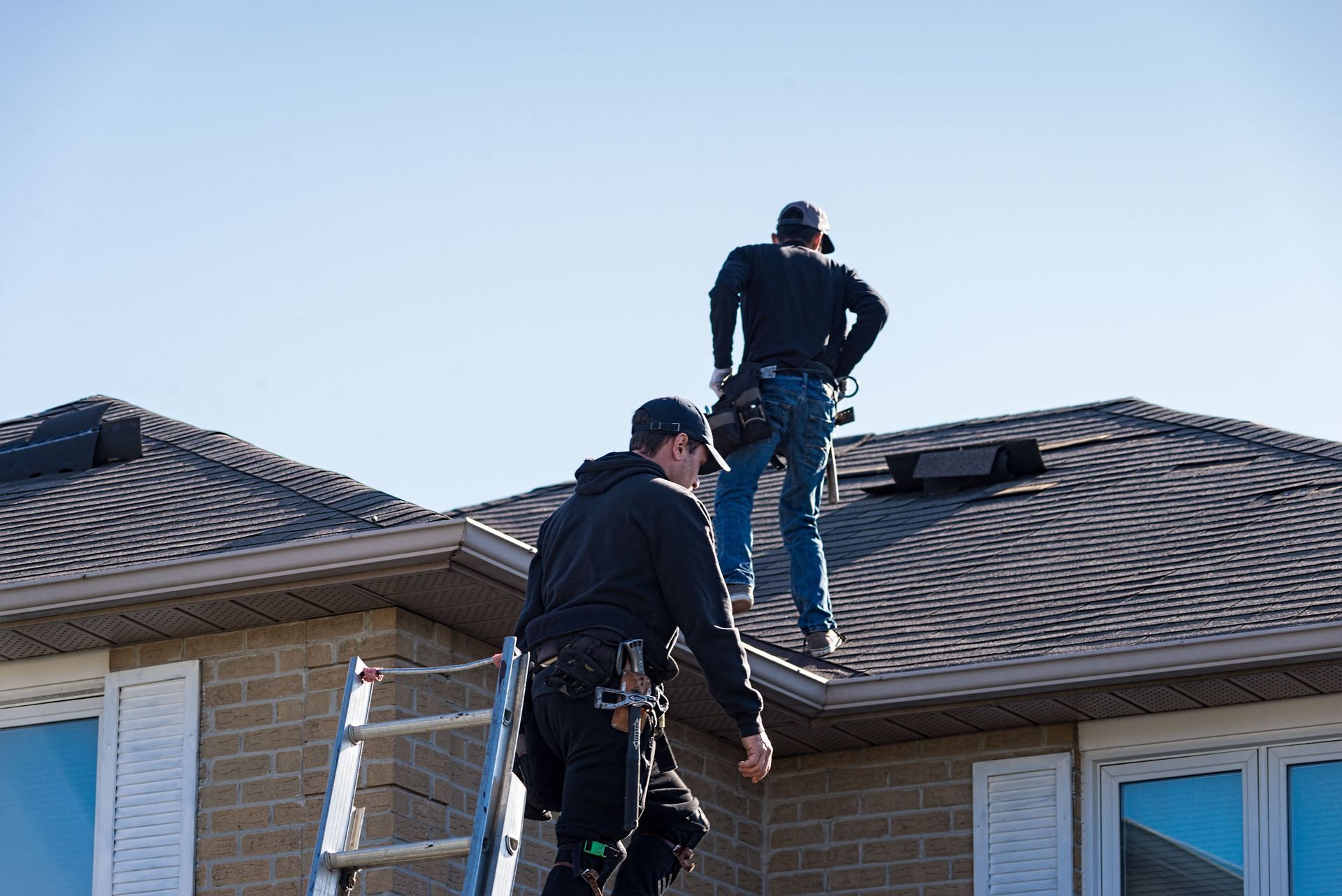
Scheduling a spring checkup with local roofers gives you an accurate assessment of hidden winter wear across your entire roof surface. Technicians climb up safely to inspect chimney step flashing, rubber plumbing pipe boots, and valley metal where melting snow concentrates water flow. Catching a cracked rubber pipe boot or lifted shingle edge in April prevents heavy spring thunderstorms from driving water straight into your attic framing.
Clearing Debris and Gutters in Late Spring
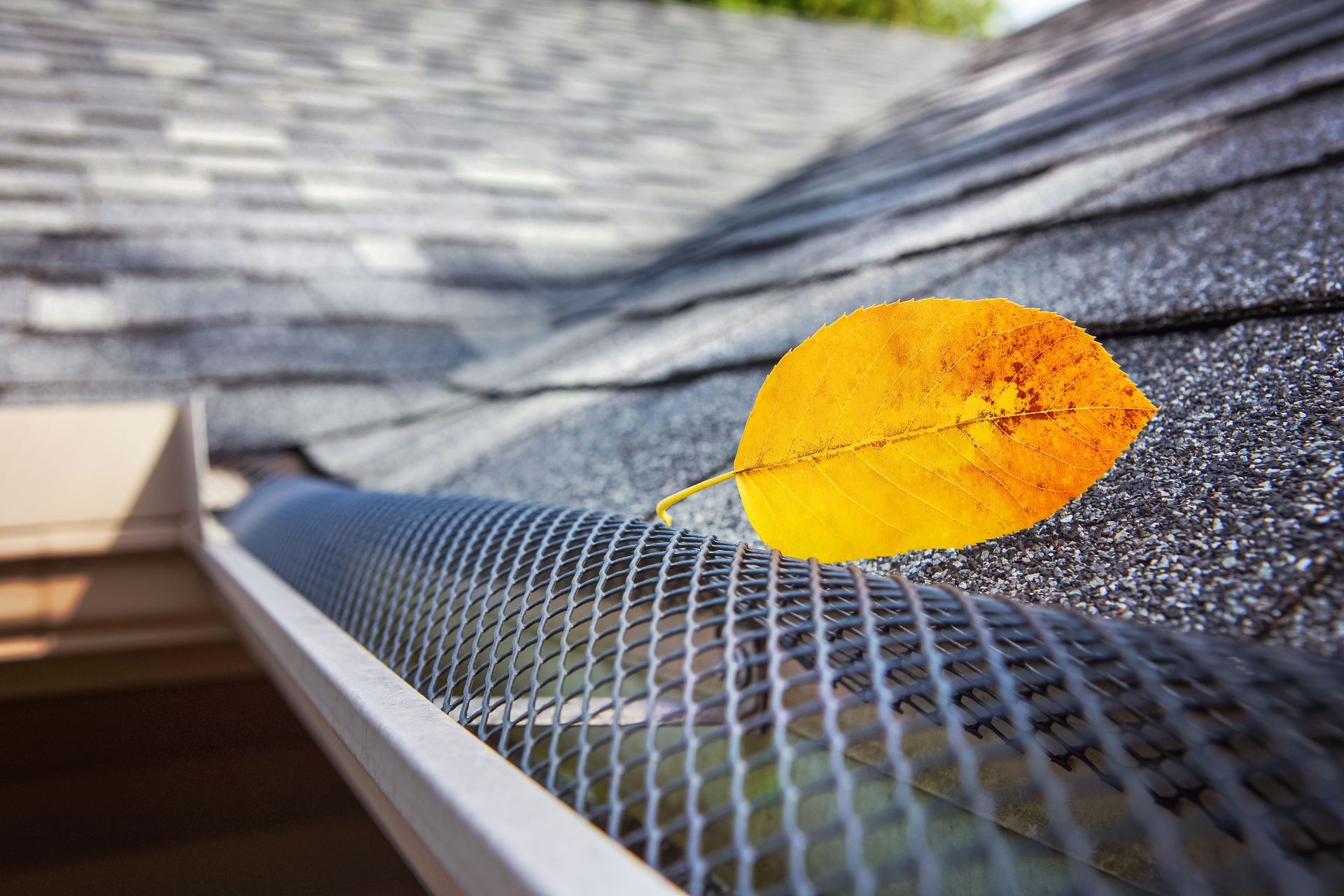
As trees leaf out and spring windstorms blow across New York neighborhoods, twigs, seed pods, pine needles, and dirt quickly pile up inside roof valleys and rain gutters. When organic debris clogs gutters and downspouts, spring rainwater backs up beneath the bottom row of shingles, soaking wooden fascia boards and rotting the edges of your roof sheathing. Standing debris in roof valleys also acts like a wet sponge, holding moisture against asphalt shingles and encouraging dark algae growth.
Hiring dependable roofers for seasonal maintenance keeps water flowing smoothly off your roof and away from your foundation. Crews clear leaves from roof valleys, flush out clogged downspouts, and check that gutter hangers remain tightly anchored after bearing the weight of winter ice. Clean drainage channels ensure that sudden spring cloudbursts shed rapidly off your roof rather than pooling against vulnerable eaves.
Maximizing Attic Ventilation During Hot Summer Months
Summer sunshine across New York can push dark roof surface temperatures well past one hundred fifty degrees on clear July afternoons. Without balanced attic airflow, trapped superheated air bakes your asphalt shingles from the underside, causing them to curl, crack, and lose granules years ahead of schedule. That intense attic heat also radiates downward through ceiling drywall, forcing your air conditioner to run nonstop while leaving upstairs bedrooms uncomfortable.
According to Hom365, an energy-efficient roof reflects most of the sun’s ultraviolet rays, lowering roof surface temperature by up to 50 degrees Fahrenheit. This, in turn, cools the entire home, saving on home heating costs. Cool roofs can also reduce peak cooling demand by 10 to 15% through better insulation from the heat. Consulting knowledgeable roofers helps you upgrade to reflective architectural shingles and balance intake soffit vents with ridge exhaust vents. Proper airflow keeps attic temperatures closer to outdoor air, extending shingle life and lowering summer electric bills.
Checking Storm Damage After Summer Thunderstorms
Late summer often brings severe afternoon squalls and hailstorms capable of inflicting sudden damage across residential neighborhoods. Hailstones bruise asphalt shingles by knocking protective mineral granules loose and fracturing the underlying fiberglass mat, creating soft spots that leak months later. Even if your roof looks fine from the street, wind-driven debris and sharp hail impacts can compromise manufacturer warranties if left undocumented.
Calling trusted roofers immediately after severe summer storms protects both your home and your insurance coverage. Experienced storm restoration specialists conduct thorough roof evaluations, photographing hail bruises, creased shingles, and dented ridge vents to create clear evidence for your insurance provider. Having skilled advocates walk the roof alongside your insurance adjuster ensures that hidden storm damage is documented fairly and repaired using top-grade GAF or Owens Corning materials.
Preparing Flashing and Sealants in Early Autumn
Autumn delivers crisp air and dry weather, making it the ideal window to prepare your roof for upcoming freezing temperatures. Every roof features vulnerable transition points where shingles meet vertical brick chimneys, skylights, dormers, and exhaust vents. Over summer heat waves, roof sealants dry out and shrink, while thermal expansion pulls metal flashing slightly away from masonry mortar joints.
Bringing in seasoned roofers during early autumn ensures that every joint, valley, and flashing collar is sealed tight before winter storms arrive. Technicians apply fresh exterior-grade sealants, re-secure loose step flashing, and inspect skylight gaskets for brittle cracks. Sealing these critical transition points stops wind-driven autumn rains and melting winter sleet from sneaking behind siding and dripping down interior walls.
Trimming Overhanging Branches in Late Autumn
Mature shade trees add incredible beauty to New York yards, but heavy branches hanging directly over your roof pose serious hazards once winter weather sets in. During late autumn and winter, heavy wet snow and freezing rain coat tree limbs in thick ice, causing brittle branches to snap and crash directly onto your roof decking. Even without breaking, low branches scrape across shingles every time the wind blows, grinding away protective granules.
Coordinating with local roofers alongside tree trimming professionals keeps your roofline clear of overhanging limbs and falling leaves. Cutting branches back at least six to ten feet from the roof edge eliminates physical abrasion, reduces leaf buildup in gutters, and limits access for squirrels and raccoons looking for warm winter attic shelter. A clean perimeter keeps your shingles intact through gusty autumn nights and heavy winter blizzards.
Preventing Ice Dams Throughout Freezing Winter Weather
Winter across New York brings the distinct threat of ice dams, which form when heat escaping from your living space warms the upper roof deck and melts accumulated snow. As that meltwater trickles down toward the colder, unheated eaves, it freezes into a thick ridge of solid ice along the gutter line. Subsequent meltwater backs up behind the ice dam, pooling beneath shingle laps and leaking straight through ceiling drywall.
Protecting a home in New York requires staying one step ahead of shifting weather patterns, from humid summer heat waves to freezing winter ice storms. Treating roof maintenance as a year-round seasonal habit rather than an emergency reaction saves thousands of dollars in interior water restoration, lowers monthly heating and cooling expenses, and preserves your home's curb appeal.
Clearing gutters, balancing attic ventilation, sealing flashing joints, and addressing storm bruises early keeps your shingles, decking, and insulation working together as a unified defense system. Partnering with dedicated local tradespeople ensures every inspection and repair uses top-tier materials built for harsh regional climates. When you are ready to safeguard your home with honest assessments, lifetime warranties, and decades of local expertise, contact Rapid Roofing, Inc today to request your estimate from trusted New York
roofers!



Share On: