

How Expert Roofers Determine Whether Your Roof Needs Repair or Replacement
Your roof protects your home from rain, snow, wind, ice, and changing temperatures, so deciding whether it needs a repair or complete replacement is an important decision. While some roofing problems are relatively straightforward to correct, others can indicate that the roofing system is approaching the end of its useful life or has sustained extensive damage. Knowing how professional roofers evaluate these conditions can help homeowners understand their options and avoid unnecessary work.
Evaluating the Roof's Age and Overall Condition
Considering the Roof's Age
One of the first factors roofers consider during an inspection is the age of the existing roofing system. Roofing materials naturally deteriorate over time as they are exposed to precipitation, sunlight, temperature changes, wind, and seasonal weather. Even when a roof does not have an obvious leak, older materials may have reduced flexibility, weakened protective surfaces, or other signs of deterioration that affect their ability to protect the home.
Age alone does not necessarily mean that a roof must be replaced. Professionals also consider the material installed, the quality of the original installation, the property's weather exposure, and the maintenance the roof has received. A relatively young roof with isolated damage may still have substantial serviceable life remaining, while an older roof with widespread deterioration may make replacement a more practical option.
Inspecting the Roofing Materials
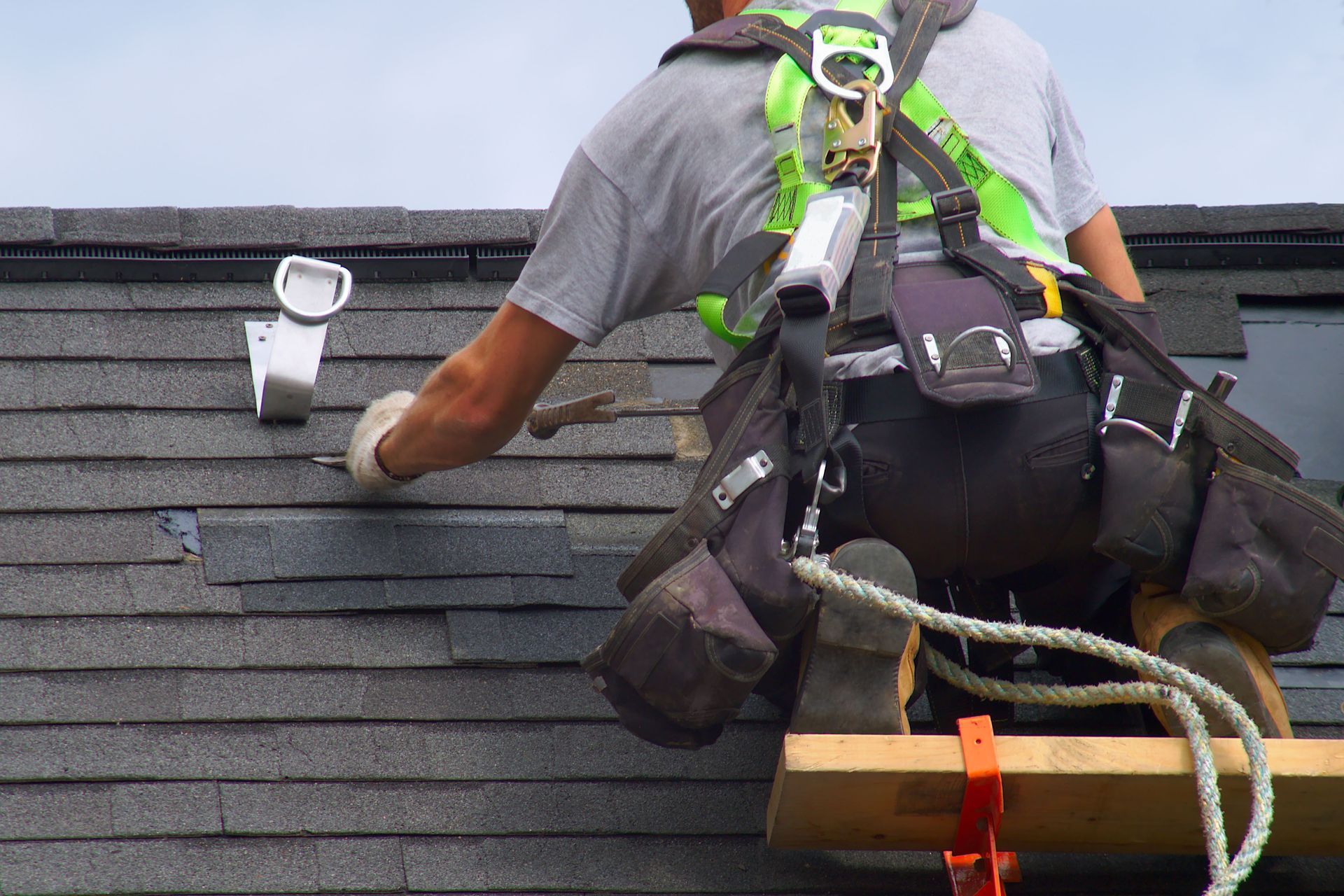
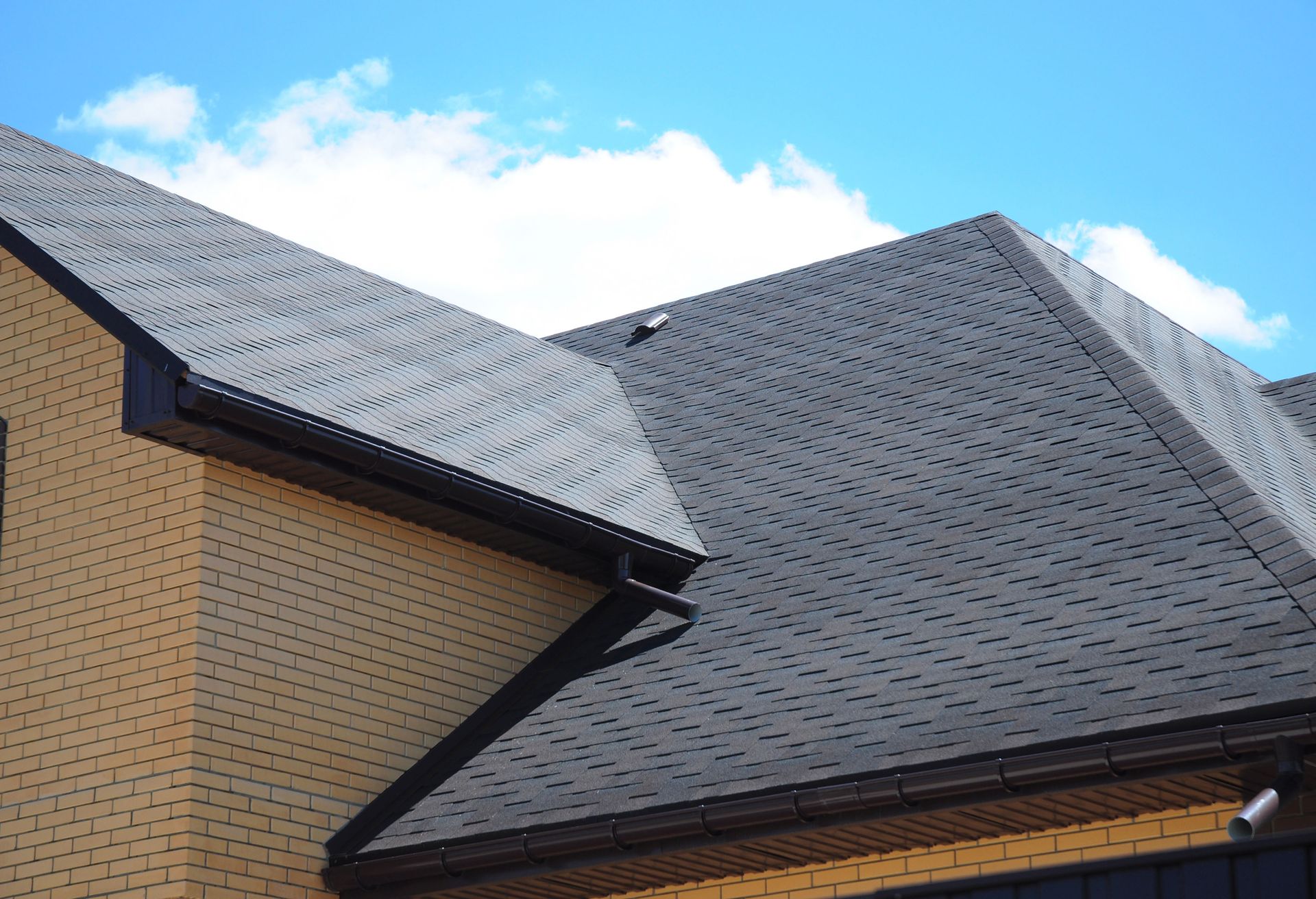
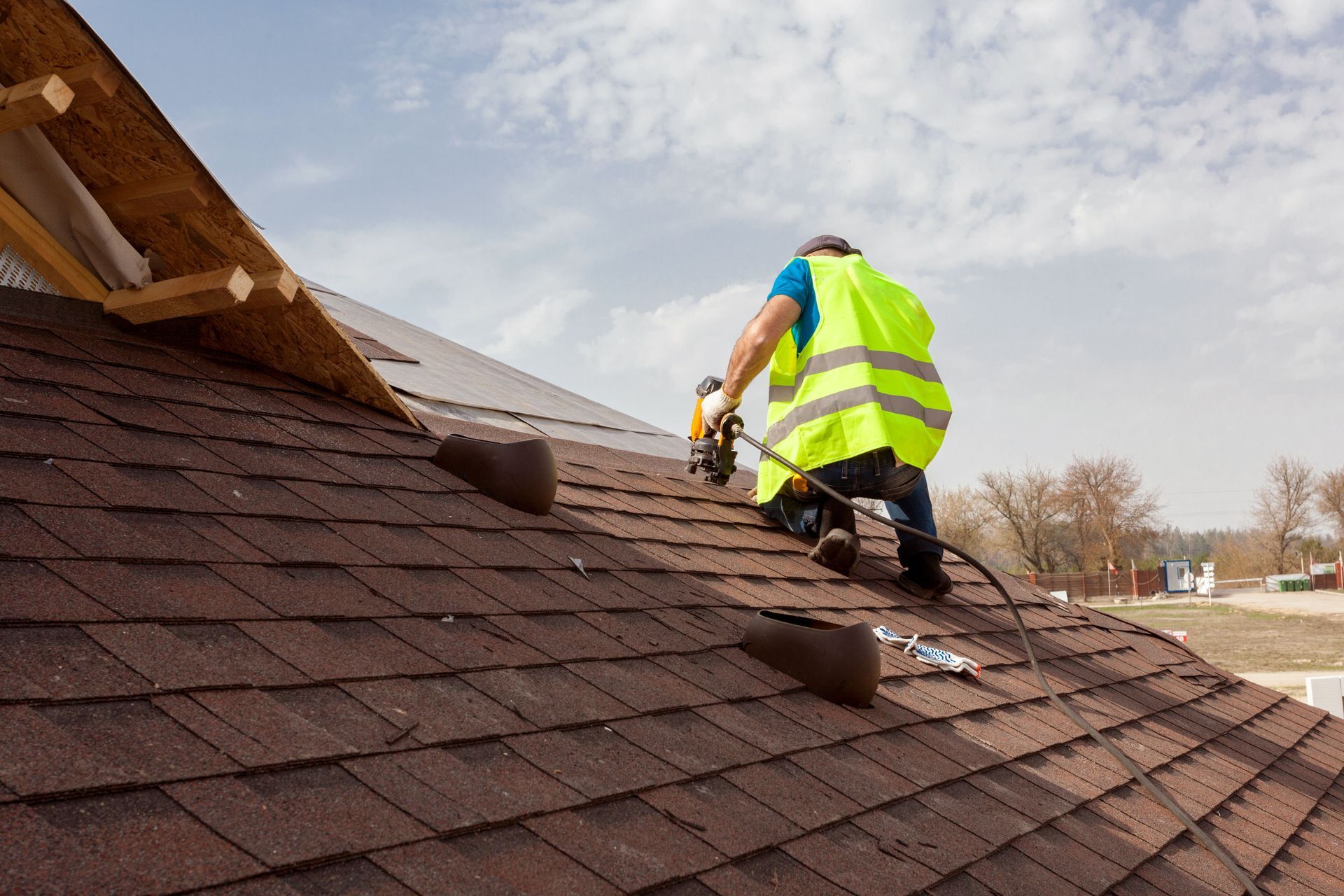
The condition of the shingles or other exterior roofing materials provides important clues about the health of the system. Professionals look for cracked, curling, broken, loose, or missing shingles, as well as areas where protective granules have worn away. They also examine flashing around chimneys, vents, skylights, roof transitions, and other areas where water can enter if seals or materials have failed.
Homeowners should not assume that every damaged shingle requires an entirely new roof. According to HomeService USA, roofs under 15 years old or those with limited problems, such as missing shingles, a minor leak, or an isolated flashing failure, are generally more suitable for repair. The key consideration is whether the damage is confined to specific areas or reflects broader deterioration throughout the roofing system.
Looking Beyond Visible Damage
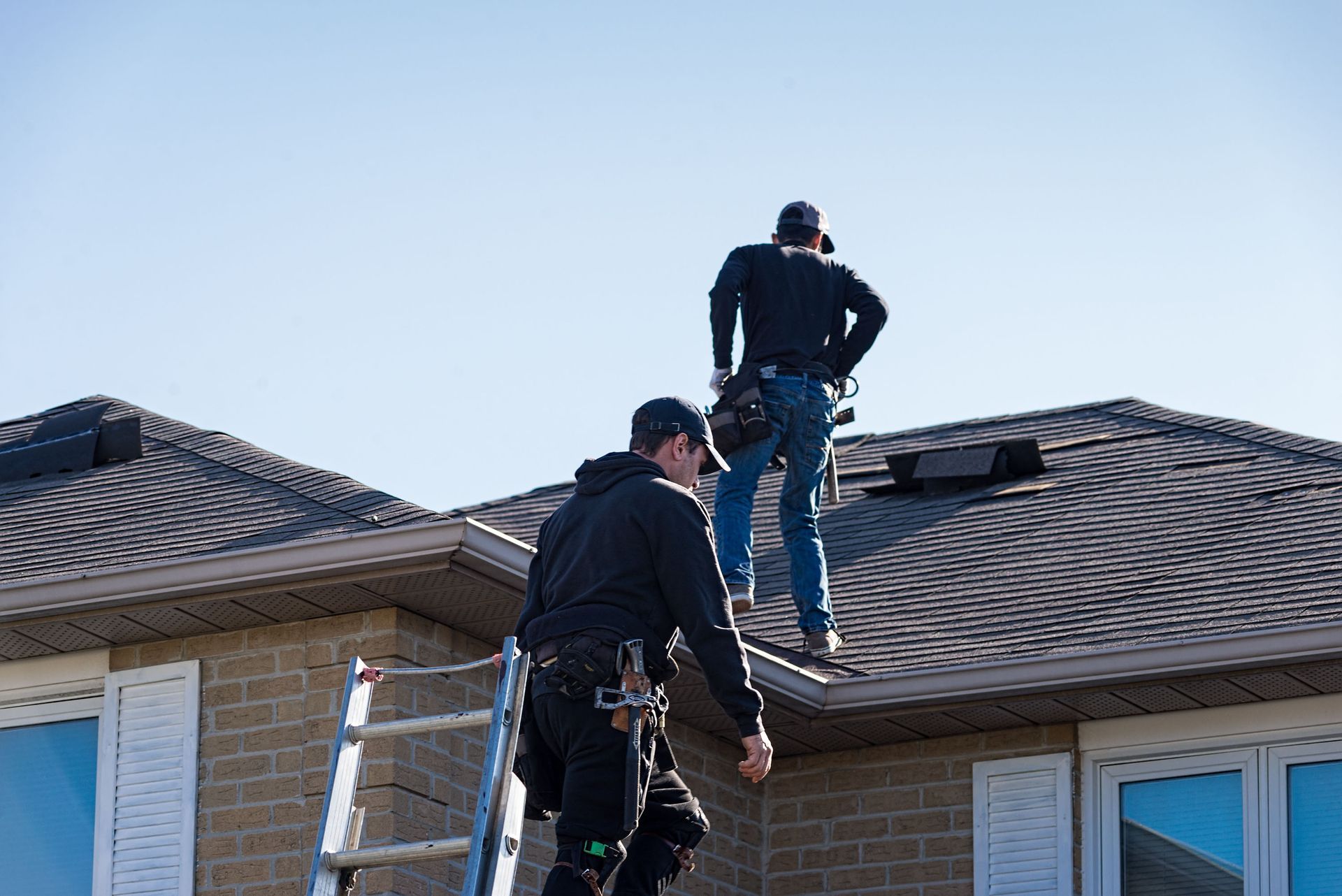
A professional assessment involves more than viewing the roof from the ground. Experienced roofers examine areas that may not be immediately noticeable to a homeowner, including flashing, roof penetrations, valleys, edges, and other vulnerable locations. They may also inspect the attic for evidence of moisture intrusion, inadequate ventilation, damaged decking, or other conditions that could affect the roof's performance.
This broader evaluation helps distinguish surface-level problems from underlying concerns. A small ceiling stain, for example, may appear to require only a simple patch, but the source could involve deteriorated flashing, damaged underlayment, or water that has traveled beneath the roofing materials. Identifying the actual source of a problem allows homeowners to address the cause rather than repeatedly treating its symptoms.
Determining Whether Damage Is Localized or Widespread
Assessing the Extent of the Damage
The size and distribution of damaged areas play a major role in the repair-versus-replacement decision. A handful of damaged shingles after a severe windstorm may be addressed without disturbing the rest of the roof. Similarly, an isolated flashing problem may be corrected when the surrounding roofing materials remain in good condition.
Widespread cracking, curling, granule loss, recurring leaks, or multiple areas of deterioration present a different situation. When problems appear across significant portions of the roof, repairing individual sections may provide only temporary relief. Professionals consider whether additional failures are likely to occur and whether continued repairs make financial and practical sense compared with installing a new roofing system.
Examining the Roof Deck
The roof deck provides the structural surface beneath the exterior roofing materials, making its condition an important part of the inspection. Water intrusion that continues over time can weaken wood decking, create soft areas, and contribute to structural concerns. Roofers look for evidence that moisture has reached beneath the visible roofing materials and assess whether affected sections require attention.
Decking problems do not automatically mean that the entire roof needs replacement. Depending on the extent and location of the damage, affected portions may be repaired or replaced as part of a larger roofing project. However, widespread deterioration beneath the surface can change the scope of the work and make a complete replacement more appropriate than repeatedly repairing exterior materials.
Checking for Recurring Problems
The history of previous roofing problems can also influence the recommendation. A roof that has required several repairs within a relatively short period may be signaling broader deterioration. Repeated leaks in different locations, recurring flashing failures, or continuing problems after previous repairs can indicate that individual fixes are no longer addressing the underlying condition of the system.
Professionals consider both the current damage and the pattern of past issues when evaluating a roof. They can review previous repairs, identify areas that have repeatedly failed, and determine whether additional work is likely to provide a reasonable solution. This approach helps homeowners make decisions based on the roof's overall condition rather than focusing on one isolated problem.
Comparing Repair and Replacement Options
Considering the Long-Term Value
Cost is naturally an important part of any roofing decision, but the lowest immediate price is not always the most economical choice. A repair can make sense when it resolves a limited problem and preserves a roof that remains in good condition. When a roof has widespread deterioration, however, repeated repairs can accumulate without addressing the system's larger weaknesses.
Roofers weigh the expected performance of the existing system against the scope and frequency of needed repairs. They also consider whether repairing one area could leave surrounding deteriorated materials vulnerable to future problems. This helps homeowners understand the difference between an appropriate targeted repair and a series of short-term fixes that may postpone a more comprehensive project.
Reviewing Material and Installation Options
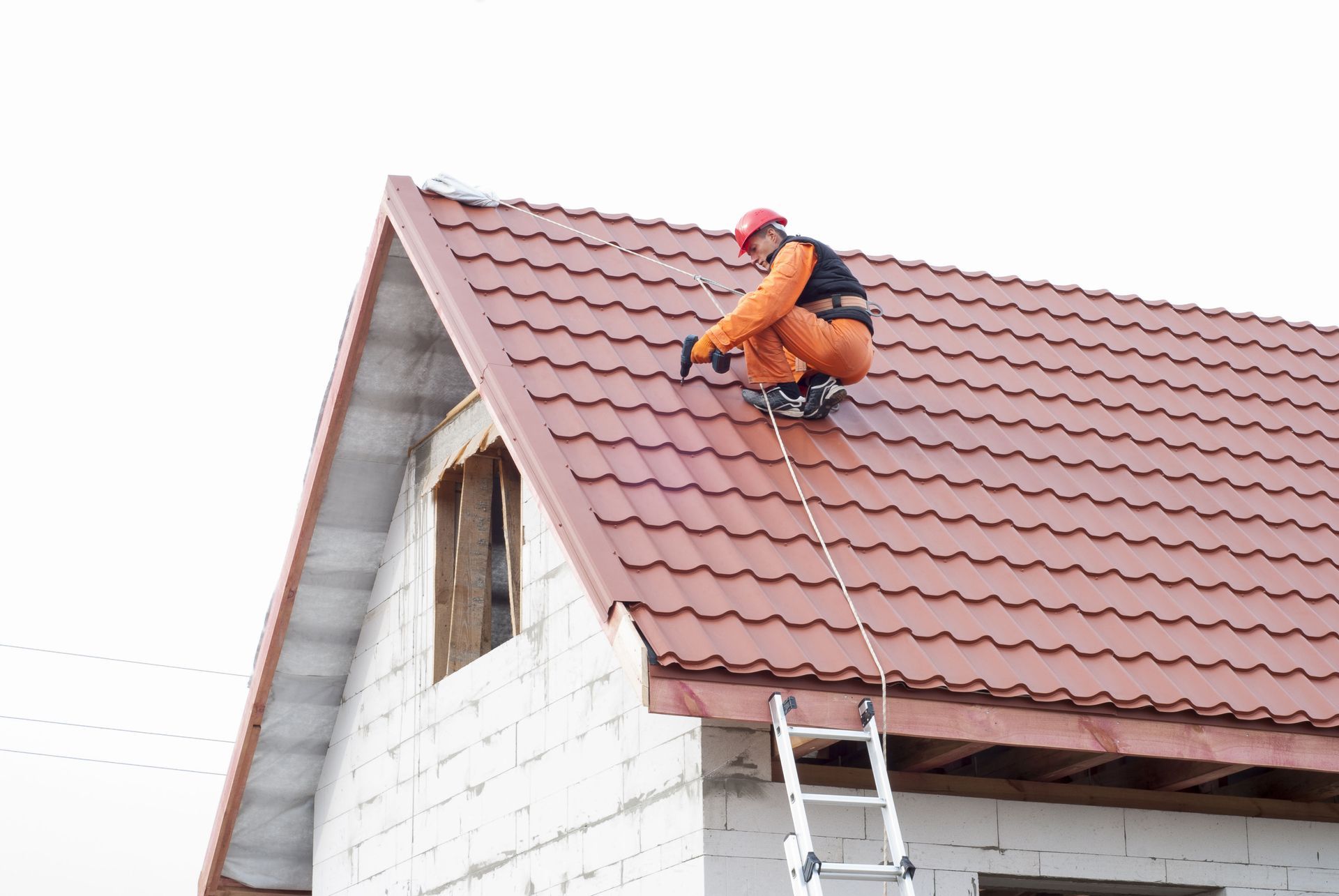
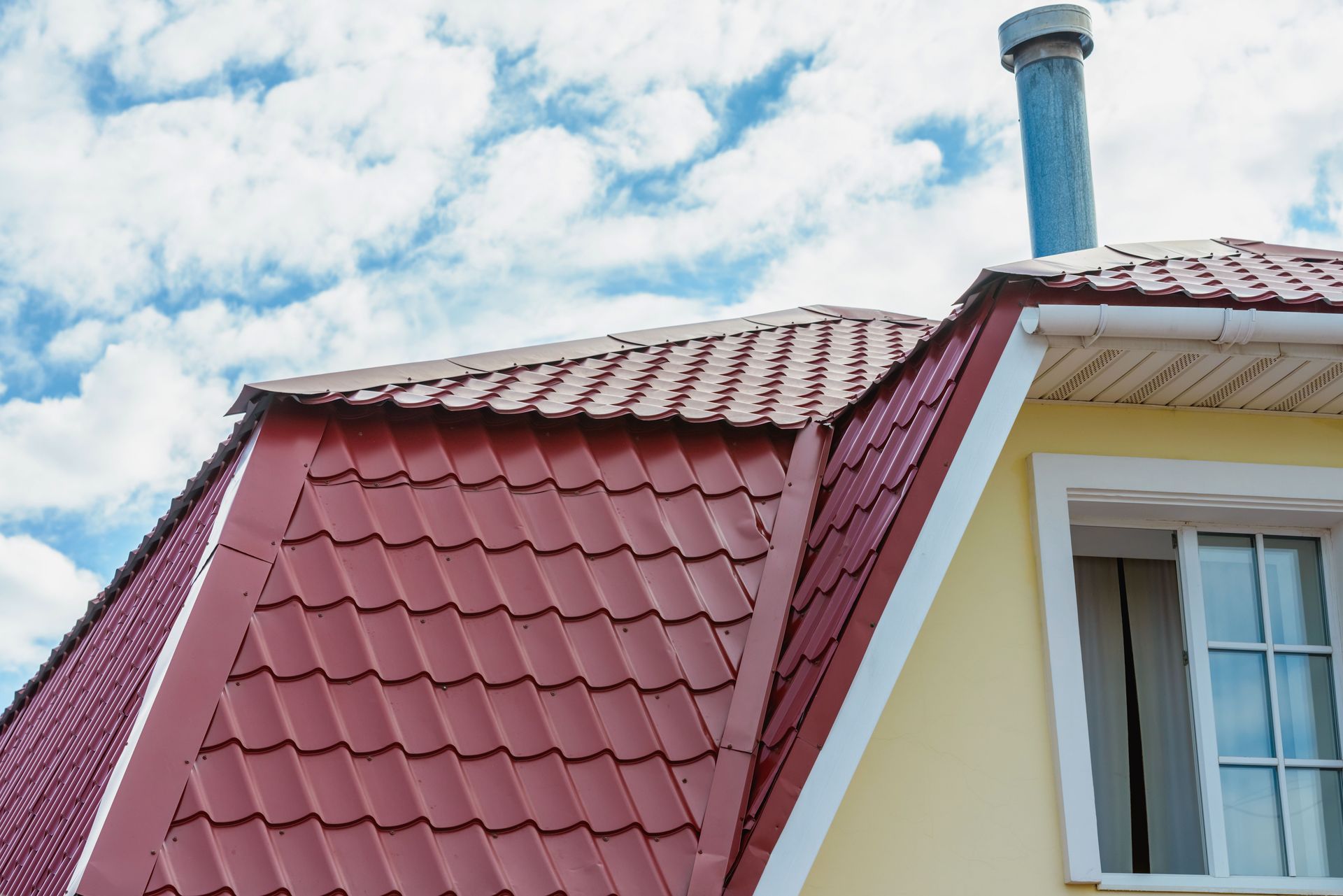
When replacement is warranted, homeowners have an opportunity to select materials that suit the property's design, climate, and performance requirements. Asphalt shingles remain a common residential choice, while metal, slate, and other roofing materials can provide different appearances and performance characteristics. Professionals can explain the advantages, limitations, maintenance considerations, and expected costs associated with available options.
Installation quality is equally important because even high-quality roofing materials can perform poorly when improperly installed. Roofers should evaluate ventilation, flashing, underlayment, decking, drainage, and other components as part of the replacement process. Addressing these details helps create a complete roofing system rather than simply placing new materials over existing problems.
Building a Maintenance Plan
Whether a roof needs a repair or replacement, ongoing maintenance can help homeowners identify developing issues before they become more extensive. Routine inspections can uncover damaged shingles, deteriorating flashing, clogged gutters, moss or algae growth, and other conditions that may contribute to water intrusion or accelerated wear.
Seasonal inspections can be especially useful in areas exposed to heavy snow, ice, wind, and changing temperatures. Professionals can look for damage after severe weather and identify vulnerable areas before another season places additional stress on the roofing system. Regular maintenance does not eliminate the need for eventual replacement, but it can help preserve the condition of a roof and provide earlier warning when major work becomes necessary.
Determining whether a roof needs repair or replacement requires looking at more than one visible problem. Age, material condition, damage severity, roof decking, recurring issues, installation quality, and maintenance history can all affect the recommendation. A professional inspection brings these factors together to provide a clearer picture of the roofing system's current condition.
Experienced roofers should explain what they find and distinguish between problems that can be repaired and conditions that warrant replacement. A thorough assessment can also help homeowners understand the reasoning behind a recommendation, evaluate their options, and plan for the work their property actually needs. Contact Rapid Roofing and Restoration today for a professional inspection and a clear recommendation for your home's roofing needs.
Share On: