
The Reality of Modern Metal Roofing
Modern metal roofing has undergone a significant transformation, establishing itself as a popular choice across the construction industry. Technological advancements have vastly improved its durability while also enhancing its aesthetic appeal for various architectural styles. As traditional roofing materials face challenges related to sustainability and longevity, metal solutions offer a compelling alternative that meets contemporary demands for energy efficiency. When seeking reliable installation, partnering with professional roof contractors ensures optimal long-term performance.
1. Understanding Historical Evolution
Metal roofing has a long history, dating back to ancient civilizations where copper and lead were used on monumental structures. Early usage primarily involved simple metal sheets that provided basic shelter, though high costs initially limited widespread adoption. During the 19th century, industrial mass production made iron and tin roofs prominent in urban architecture. Over time, innovations in metallurgy led to sturdier, rust-resistant alloys, allowing metal roofing to shift from a purely utilitarian choice to a design-forward option appreciated by homeowners and builders alike.
The latter half of the 20th century saw significant advancements in coating technologies, which provided better protection against corrosion and expanded aesthetic options. The development of Galvalume, a blend of aluminum and zinc, further contributed to the durability and attractiveness of metal roofs. Today, precise engineering and computerized design software allow components to be customized to fit any architectural vision. These modern tools ensure higher quality and tighter tolerances, minimizing waste and maximizing efficiency during the installation process.
Environmentally conscious trends have driven further innovation in the 21st century, particularly through energy-efficient coatings and solar integration. Modern metal surfaces reflect more sunlight and absorb less heat, which effectively reduces internal cooling costs. This technological evolution has cemented metal roofing's status as a premium choice for both new construction and renovation projects. According to Home Advisor, a well-installed metal roof can last 40 to 70 years, or even longer with routine maintenance, representing a stellar long-term investment.
2. Analyzing Material Longevity
One of the most significant advantages of modern metal roofing is its outstanding durability and lifespan. Unlike traditional roofing materials that often require frequent repairs or replacement, metal surfaces boast impressive resistance to moisture, rust, and ultraviolet rays. Consequently, property owners are assured of greater performance with minimal maintenance over the decades. This durability stands in stark contrast to conventional options like asphalt shingles, which typically require replacement every 20 years or so due to environmental degradation.
The long-term performance of these systems depends heavily on proper installation and material selection. Experienced roof contractors can guide property owners through the available options to find the best fit for specific regional climates. Whether subjected to heavy snow, torrential rain, or intense sun, metal roofing remains highly resilient, preventing the structural damage commonly seen with organic-derived materials. This performance advantage, combined with reduced lifecycle costs, makes metal a financially prudent and viable choice for residential and commercial sectors alike.
Aside from their impressive endurance, metal roofs are highly sustainable, as they are constructed using materials with substantial recyclable content. At the end of their long service life, these panels can be completely recycled rather than discarded into landfills, reducing environmental waste. This recyclability aligns metal systems with a global emphasis on reducing the ecological footprint of modern construction practices, endearing them to environmentally conscious consumers and builders seeking sustainable building solutions.
3. Evaluating Energy Savings
Modern metal roofing systems excel in energy efficiency, providing significant advantages in regulating building temperatures and reducing utility usage. Unlike traditional roofing alternatives that tend to absorb heat, metal roofs are designed to reflect solar radiation away from the structure. This reflective process minimizes heat transfer into the living spaces below, resulting in a cooler indoor environment and a reduced reliance on air conditioning systems during peak summer months.
Advanced coatings with high reflectivity and emissivity ratings further bolster this energy-saving effect. By keeping buildings naturally cooler, these roofing systems contribute to substantially lower cooling costs, positively impacting monthly energy bills. Furthermore, the robust substrate of a metal roof provides an ideal platform for integrating renewable energy technologies. Photovoltaic solar panels can be mounted efficiently onto standing seam metal roofs without the need for penetrations, protecting the roof's waterproofing integrity.
The combination of thermal efficiency and renewable energy compatibility positions metal roofs at the forefront of the green architecture movement. Property owners benefit from increased energy independence, long-term financial savings, and enhanced real estate values. By optimizing resource efficiency from manufacturing through decades of performance, metal roofing continues to prove indispensable to the architecture and construction industry by advancing sustainable development goals worldwide.
4. Appreciating Design Flexibility
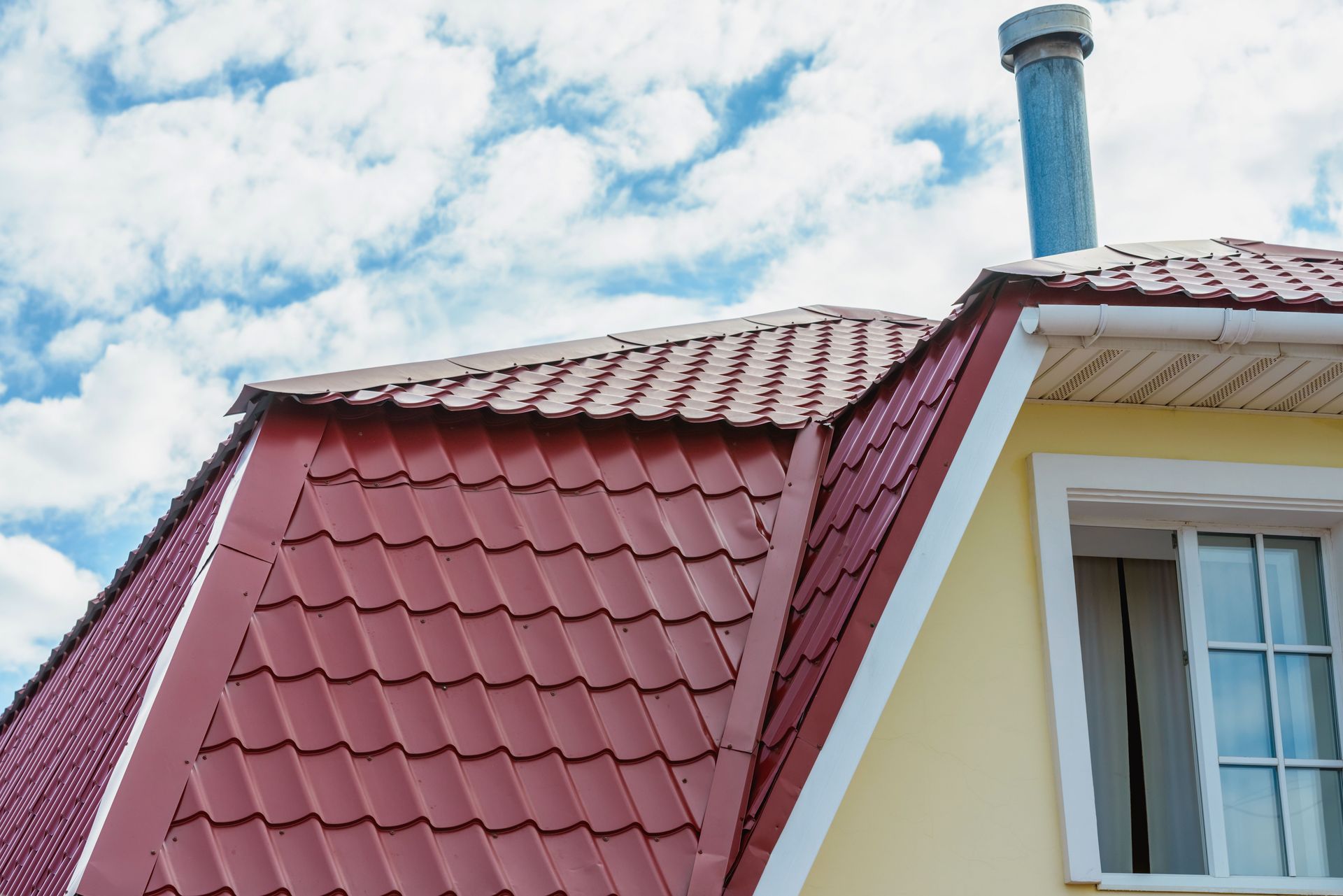
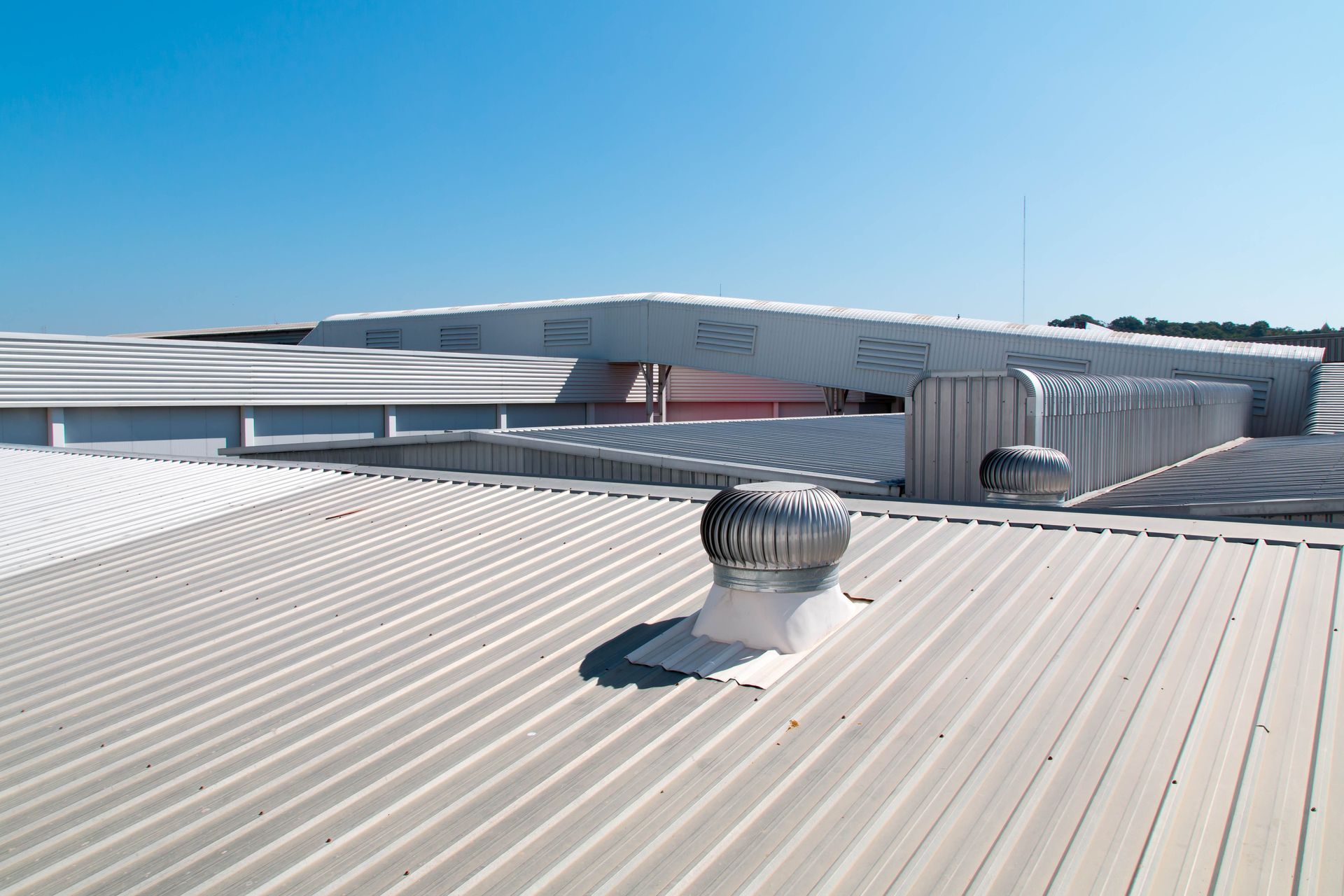
Aesthetic versatility is another compelling benefit of metal roofing, offering extensive design possibilities to suit virtually any architectural style. Modern options include a vast array of colors, textures, and profiles that can mimic traditional shake, slate, or clay tile, or exist in sleek contrast to emphasize minimalist motifs. From sharp contemporary lines to classic traditional forms, metal accommodates diverse design visions without compromising structural effectiveness or weather protection.
Custom fabrication allows roof contractors to tailor panels to unique architectural features, ensuring a precise fit and clean lines around complex roof geometries. Depending on the selected material, such as copper or zinc, distinctive patinas can develop naturally over time, lending a unique and evolving character to the building facade. This adaptability has made metal choices highly popular among architects and designers crafting vibrant urban landscapes as well as rustic rural retreats.
Continued advancements in specialized finishes and factory-applied paint systems ensure that these roofs maintain their color and aesthetic integrity for decades. Specialized powder coating techniques offer resistance to chalking and fading caused by intense sun exposure, ensuring minimal maintenance is required to keep the roof looking pristine. By enabling bespoke designs and intricate form factors, metal roofing enhances creative freedom while simultaneously addressing practical concerns of durability and property value.
5. Reviewing Protection Features
Modern metal roofing systems offer robust safety features, particularly regarding fire resistance, which is an essential consideration for property protection. Metal roofing achieves a Class A fire rating, making it one of the safest choices available for protecting homes against external fire hazards. Unlike combustible wood shingles or asphalt, metal does not ignite or support combustion, significantly reducing the risk of fire spreading across the roof structure from airborne sparks or embers.
In addition to fire safety, metal roofs demonstrate exceptional resilience against severe weather conditions, including high winds, heavy rain, and hail impact. Their interlocking panel designs provide superior structural strength, allowing the system to withstand wind gusts that would easily dislodge conventional shingles. Rain and snow shed efficiently from the smooth surfaces, preventing the dangerous accumulation of moisture or heavy winter loads that can threaten the structural integrity of the underlying roof deck.
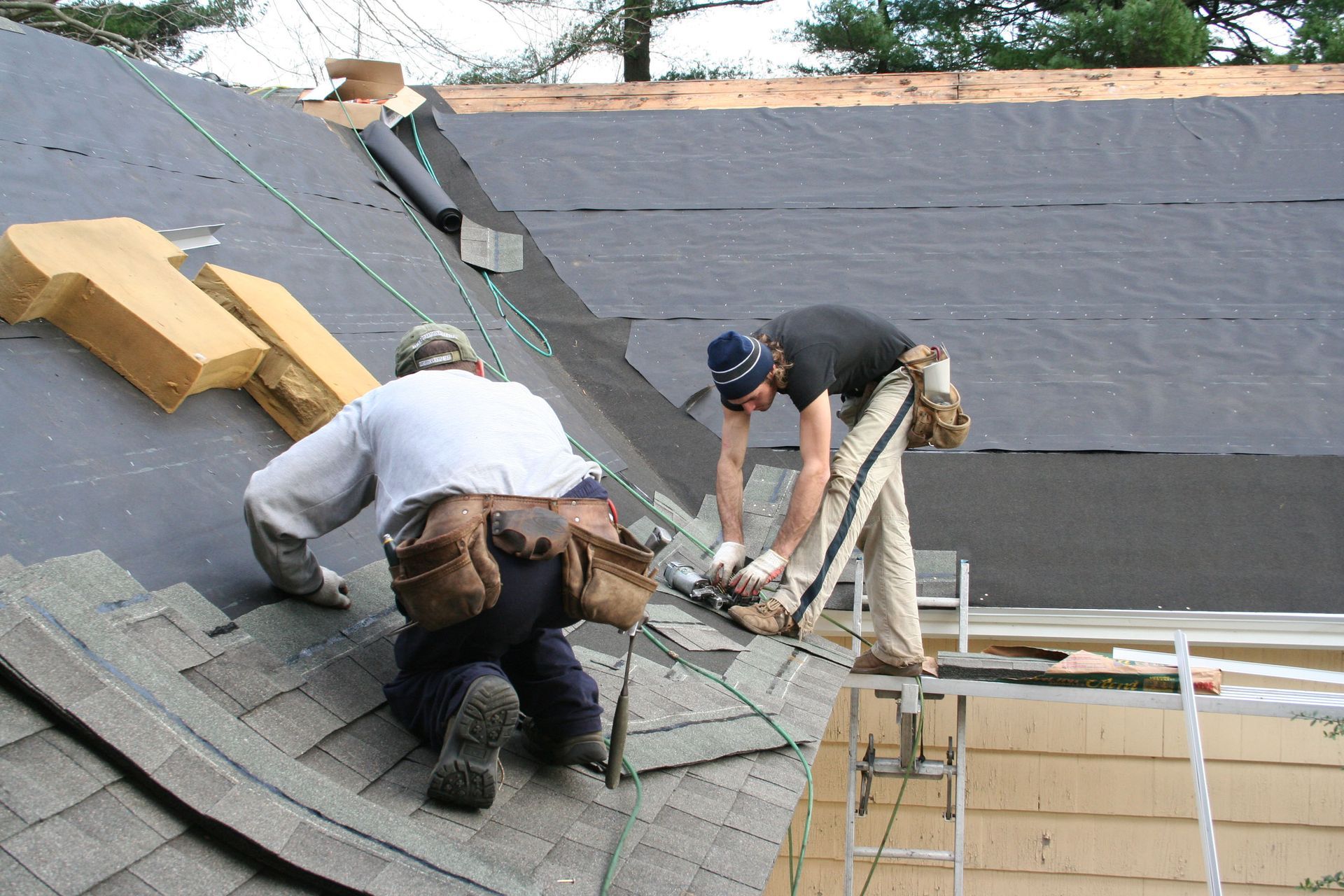
To maximize these safety benefits, engaging certified roof contractors is critical to ensure proper fastening and flashing attachment. Advanced installation techniques, such as non-perforating clips on standing seam panels, allow the metal to expand and contract naturally with temperature changes without weakening the water-tight seal. Through this synthesis of superior material strength, advanced safety features, and long-term weather resistance, metal roofing establishes itself as a premier option for safeguarding both residential and commercial investments.
The evolution of metal roofing has transformed it into a premier choice for modern construction, blending historic durability with cutting-edge technological advancements. Property owners who opt for metal solutions invest in unparalleled longevity, high energy efficiency, and superior protection against fire and extreme weather events. By choosing high-quality materials and partnering with knowledgeable roof contractors, you ensure that your property remains safe, efficient, and visually striking for generations to come. For more information about the services that we offer, reach out to our incredible team at Rapid Roofing, Inc today!

Share On: