


What Roofers Say About Roof Replacement Timelines
Planning a roof replacement involves more than choosing shingles or selecting a new roof color. Homeowners also need to understand how long the project might take, what could delay construction, and how to prepare their property before work begins. Having a realistic timeline makes it easier to coordinate household schedules, protect outdoor belongings, and plan around temporary disruptions.
Although some roofing projects move quickly, others require additional preparation and labor. Weather conditions, roof design, material availability, and the condition of the existing structure can all influence the schedule. A knowledgeable roofer can explain these variables before construction begins, helping homeowners understand what to expect and how to prepare for a smoother replacement process.
Understand the Factors That Influence Replacement Timelines
The duration of a roof replacement depends on the property's specific characteristics. According to HomeGuide, replacing a residential roof can take approximately one to eight days, depending on considerations such as roof dimensions, steepness, design complexity, and the materials selected. This range illustrates why homeowners should request an individualized estimate instead of assuming every project follows the same schedule.
Roof size is an important consideration because larger surfaces generally require more labor and materials. However, square footage alone does not determine the timeline. A compact roof with multiple slopes, dormers, valleys, and difficult access points may require more careful installation than a larger roof with a straightforward design.
The roofing material also affects how the work progresses. Some products require specialized installation methods, particular fastening techniques, or additional preparation. A roofer can evaluate the existing roof and explain how the selected material may influence labor requirements, delivery coordination, and the anticipated completion date.
Prepare for the Existing Roof Removal Process
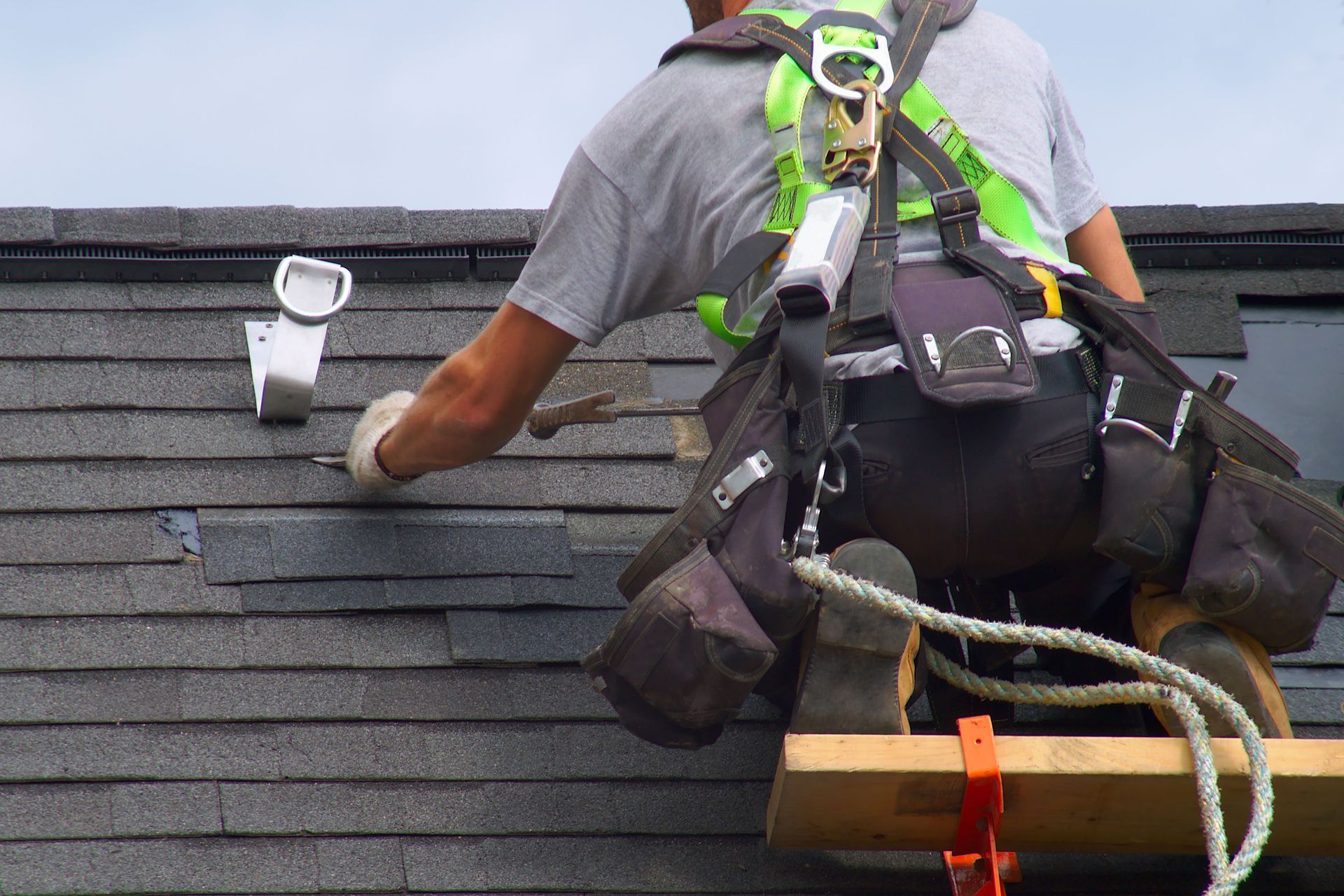
Before new roofing materials can be installed, the existing roof covering usually needs to be removed. This stage involves stripping away old shingles or other materials, collecting debris, and preparing the exposed surface for inspection. The amount of material that must be removed and the ease of accessing the roof can influence how efficiently the crew completes this work.
Once the old covering is removed, contractors can examine the underlying decking for signs of deterioration. Damaged wood, moisture intrusion, or other structural concerns may require repairs before installation continues.
Homeowners should ask their roofer how the removal process will be managed and what happens if hidden damage is discovered. Understanding the procedure helps establish realistic expectations and prevents unexpected repairs from becoming a source of confusion.
Account for Weather-Related Delays
Weather is one of the most significant factors affecting roofing schedules. Rain, strong winds, and other unfavorable conditions can make certain installation activities unsafe or compromise the protection of the exposed roof structure.
Roofing professionals monitor forecasts and plan their work around expected conditions whenever possible. However, weather patterns can change unexpectedly, particularly during seasons associated with frequent storms. A delay does not necessarily indicate poor project management; it may reflect a necessary decision to protect workers, building materials, and the home itself.
Homeowners should discuss weather contingency plans with their roofer before the project starts. Ask how the exposed roof will be protected if conditions deteriorate and how schedule changes will be communicated. These conversations can reduce uncertainty and help homeowners understand why completing the work safely is more important than adhering to an unrealistic deadline.
Recognize the Importance of Material Availability
The timing of a roof replacement can be influenced by the availability of the selected materials. Shingles, underlayment, flashing, ventilation components, and other supplies must be coordinated so the installation can proceed without unnecessary interruptions. If an essential product is unavailable or a delivery arrives late, the contractor may need to adjust the planned schedule.
Material selection can affect procurement as well. Standard products may be readily available, while specialty colors, distinctive finishes, or less common roofing systems may require additional ordering time. Homeowners who make design decisions early can give their contractor more opportunity to coordinate deliveries and confirm that the necessary supplies will be ready.
A roofer should explain whether materials have been ordered, when delivery is expected, and whether any substitutions might become necessary. Homeowners should also confirm that proposed alternatives meet their preferences and project requirements. Proactive communication about supplies helps establish a more dependable schedule and reduces the likelihood of avoidable delays once installation begins.
Plan Around Roof Complexity and Necessary Repairs
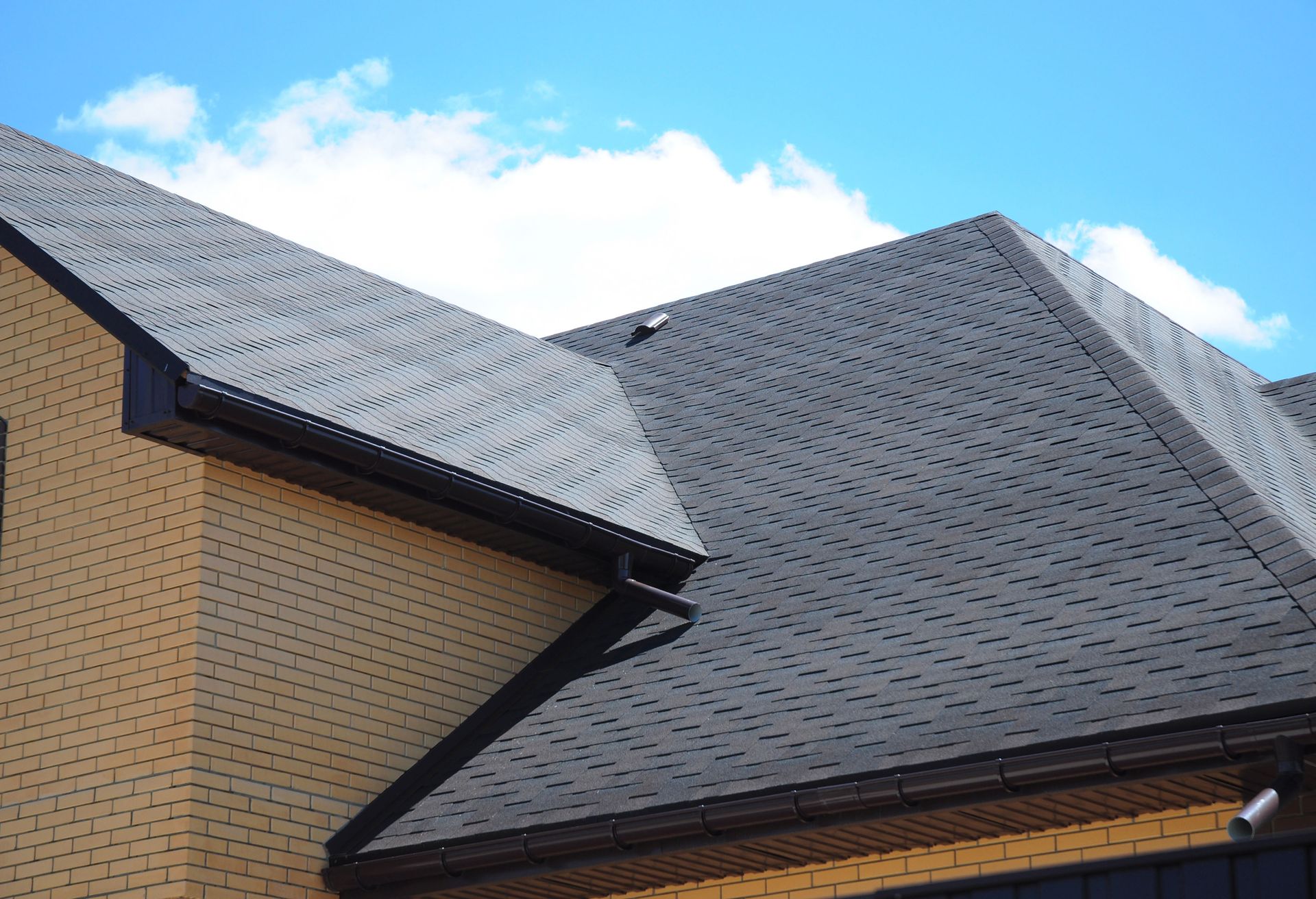
A roof's design can significantly affect the amount of work required during replacement. Simple rooflines may allow crews to remove existing materials and install new coverings with relatively few interruptions. Roofs featuring multiple angles, skylights, chimneys, valleys, or intricate transitions generally require additional attention to ensure that each area is properly protected.
These details matter because roofing involves more than covering a surface with shingles. Flashing must be installed appropriately around vulnerable areas, ventilation components may need attention, and edges must be finished to support effective water management.
Necessary repairs can also change the timeline. If the contractor discovers deteriorated decking, damaged flashing, or ventilation concerns, addressing those issues may require additional labor and materials. Homeowners should ask their roofer how unexpected findings will be documented, approved, and incorporated into the revised schedule.
Prepare Your Property Before Installation Begins
Homeowners can help roofing projects proceed more smoothly by preparing the property before the crew arrives. Moving vehicles away from work areas, relocating patio furniture, securing outdoor decorations, and identifying convenient access points can make it easier for contractors to complete their tasks. These preparations also help protect belongings from falling debris and routine construction activity.
Inside the home, vibrations from removal and installation may cause minor disturbances. Fragile wall decorations, delicate objects on shelves, and items stored in the attic may need additional attention. Homeowners should also consider pets, children, and household members who may be sensitive to construction noise.
Communication remains essential throughout the project. Homeowners should know whom to contact with questions, how progress updates will be provided, and what to expect at the end of each workday. A reliable roofer can outline the anticipated work sequence and explain any preparations that may be necessary before specific stages begin.
Evaluate Progress Without Sacrificing Quality
As the replacement progresses, homeowners may naturally want to know whether the crew is meeting the projected schedule. Regular updates can clarify which stages are complete, what work remains, and whether any unforeseen conditions have changed the original plan.
However, the fastest completion time is not always the best measure of a successful roofing project. Proper installation, secure flashing, effective ventilation, and careful cleanup are essential considerations.
Before considering the project complete, homeowners should ask about the final inspection, debris removal, and any available workmanship or material warranties. The contractor should also explain whether any follow-up work is needed and how concerns will be addressed. Choosing a roofer who prioritizes workmanship and communication helps homeowners balance schedule expectations with the quality of the finished installation.
A roof replacement becomes easier to manage when homeowners understand the factors that influence the schedule, prepare their property, and maintain open communication with their contractor. While weather, material availability, roof complexity, and hidden damage can affect completion, thoughtful planning helps reduce preventable disruptions. Ready to plan your next roofing project? Contact Rapid Roofing and Restoration to discuss your roof's condition, request a personalized replacement estimate, and take the next step toward a dependable new roof.


Share On: