
Common Mistakes Homeowners Make When Hiring A Roofing Contractor

November 21, 2026

Maintaining the structural soundness of a home begins at the top. The roof shields living spaces from harsh weather, regulates indoor comfort, and preserves the overall value of the property. When the time arrives to repair storm damage or complete a full roof replacement, selecting the right partner for the project is one of the most critical decisions a homeowner can make. Unfortunately, navigating the hiring process can feel overwhelming, especially when unexpected leaks or severe weather create an immediate sense of urgency.


Rushing into an agreement without thorough research often leads to preventable complications down the road. Property owners frequently encounter miscommunications, scheduling delays, and substandard craftsmanship simply because they did not know which red flags to monitor when vetting an experienced roofing contractor. Understanding how to evaluate prospective professionals allows individuals to protect their investment and ensure long-term structural integrity. By recognizing the most frequent missteps made during the selection phase, homeowners can make informed decisions and secure durable protection for their property.


Overlooking Essential Credentials and Compliance


Neglecting to Verify State and Local Licensing


One of the most frequent mistakes property owners commit is failing to verify proper licensing before work begins. Operating requirements vary across different states, counties, and municipalities, but legitimate businesses consistently maintain the credentials mandated by local jurisdictions. An unverified provider may lack familiarity with regional building codes, which dictate critical specifications such as flashing installation, ventilation standards, and nailing patterns designed to withstand local wind loads.


Hiring an unlicensed roofing contractor can also create severe complications when local building departments conduct mandatory inspections. If unpermitted work fails an inspection, the property owner remains responsible for correcting non-compliant installations. Taking the time to request license numbers and confirm active status through official municipal databases establishes that the crew possesses the basic qualifications necessary to perform work in your area.


Failing to Request Proof of Insurance Coverage


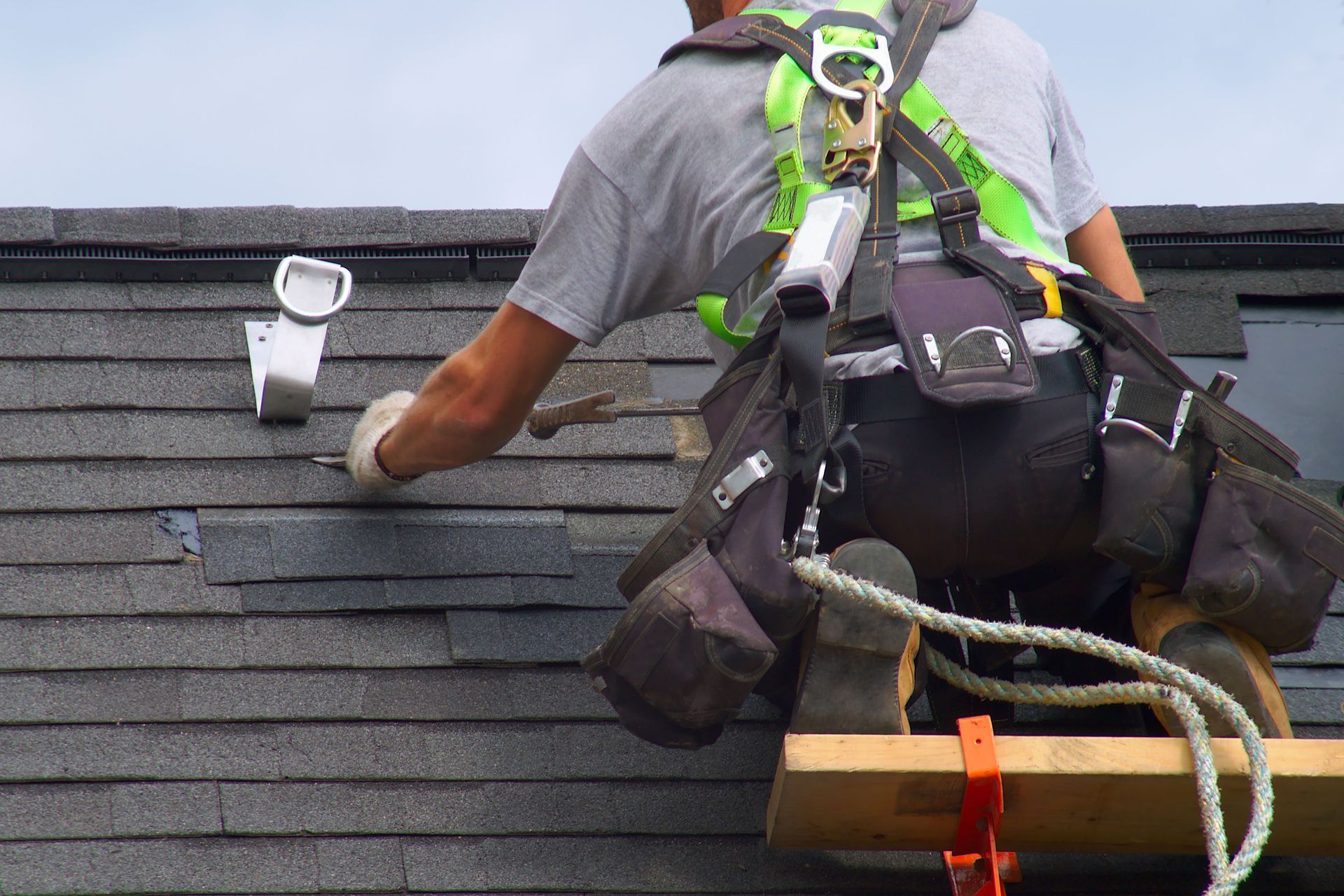
Roof work involves inherent physical hazards, requiring heavy materials and high elevations. Despite these factors, many homeowners fail to demand direct proof of comprehensive insurance coverage. Legitimate businesses maintain general liability coverage and workers' compensation insurance to safeguard both their crew and the homeowner. General liability shields the property if accidental damage occurs, such as falling debris puncturing a deck or moisture penetrating an uncovered section during sudden rainfall.


Workers' compensation is equally essential because it covers medical expenses and lost wages if an employee suffers an injury on your property. Without verifiable documentation from an insurance carrier, a homeowner could face personal liability claims for workplace accidents occurring on their grounds. A dependable roofing contractor will readily supply active certificates of insurance directly from their provider, confirming both coverage limits and policy dates before any equipment arrives on site.


Disregarding Operational Capacity and Communication


Underestimating Necessary Crew Size and Supervision


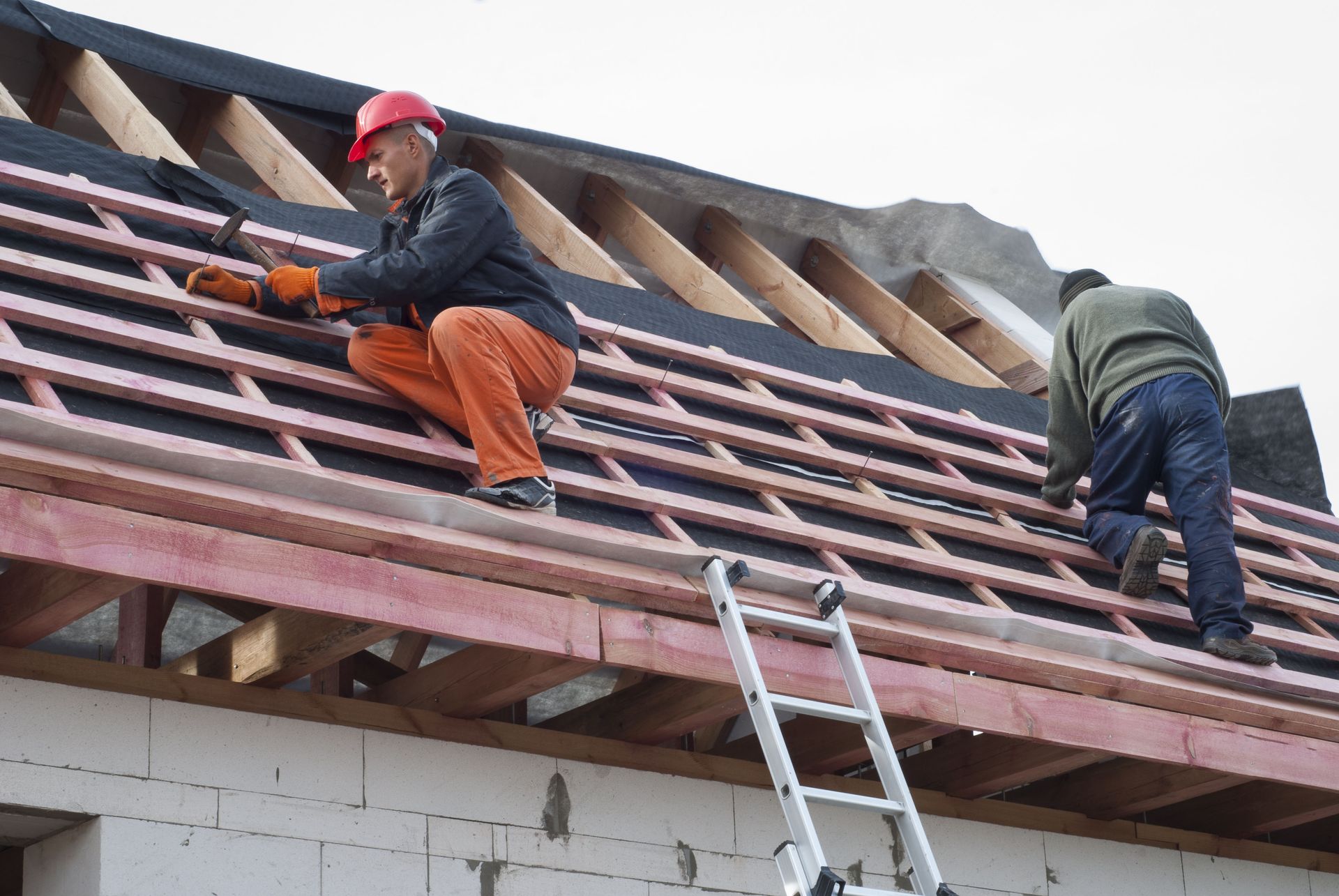
A successful roofing project requires sufficient staffing to handle removal, structural inspection, underlayment placement, and final installation efficiently. When evaluating potential companies, homeowners often overlook the operational scale required to complete installations smoothly. According to This Old House, a typical residential roofing enterprise in the United States maintains a minimum workforce of three individuals. Knowing this standard helps property owners identify companies that may be stretched too thin to handle a major project.


When a provider relies on an insufficient number of crew members, projects that should take two days can linger for weeks, leaving vulnerable decking exposed to changing weather conditions. Additionally, a lack of on-site leadership frequently results in inconsistent application standards and incomplete daily site cleanups. Inquiring about the specific number of workers assigned to the job and confirming that a qualified roofing contractor provides a designated project manager to supervise the daily workflow helps prevent unexpected delays and neglected safety protocols.


Ignoring Ambiguous or Inconsistent Communication


How a company handles initial inquiries typically mirrors how they will manage the entire project. Homeowners frequently ignore subtle warning signs during early consultations, such as missed appointments, vague answers regarding project timelines, or long delays in returning phone calls. Establishing consistent communication channels before signing an agreement ensures that questions are addressed promptly once work begins.


A professional roofing contractor communicates clearly regarding scheduling, material deliveries, and contingency measures in the event of inclement weather. If representatives struggle to provide straightforward answers about who will manage daily operations or how property grounds will be secured during the tear-off phase, communication breakdowns will likely escalate during construction. Selecting a team that values responsiveness and clarity establishes mutual accountability from start to finish.


Bypassing Critical Evaluation Steps


Failing to Check Recent Client Feedback


Online reviews and localized client feedback provide valuable perspective on how a company treats clients and handles unexpected challenges. A common error is relying solely on carefully curated marketing materials rather than seeking unvarnished assessments from actual customers. Investigating independent platforms reveals recurring themes, such as whether a crew consistently respects property boundaries, adheres to agreed schedules, and resolves unexpected structural findings professionally.


Speaking directly with past clients can be equally informative. Asking a prospective roofing contractor for references from projects completed within the past twelve months allows homeowners to ask targeted questions about overall satisfaction and clean-up practices. A dependable business welcomes the opportunity to showcase past accomplishments and will gladly connect prospects with satisfied customers in nearby neighborhoods.


Skipping Physical Grounds Protection Plans


A roof tear-off generates substantial debris, including old shingles, underlayment fragments, and thousands of discarded fasteners. Homeowners often neglect to ask how the team intends to protect gutters, siding, delicate landscaping, and outdoor living areas during the teardown phase. Without deliberate protective measures, such as tarping and magnetic sweeping, stray materials can easily damage shrubbery or leave hazardous nails scattered across driveways and lawns.


An experienced roofing contractor implements thorough property protection protocols before removing the first shingle. The crew positions sturdy tarps along the foundation, covers exterior equipment, shields delicate garden beds, and runs rolling magnetic bars across high-traffic zones throughout the workday. Confirming these containment and cleanup routines ahead of time prevents unintended property damage and ensures your yard remains safe for children and pets.


Finalizing Incomplete Agreements


Accepting Verbal Promises Without Written Documentation


Relying on spoken agreements is a major vulnerability during home improvement projects. Property owners sometimes accept verbal assurances regarding specific material grades, ventilation upgrades, or projected completion dates without ensuring those details appear in the written contract. If discrepancies arise during or after construction, unwritten promises provide no legal protection.


A complete agreement prepared by a reliable roofing contractor must detail the precise scope of work, including manufacturer names, ventilation specifications, clean-up protocols, and an outline of what happens if deteriorated decking is uncovered during removal. Reviewing every clause carefully ensures that both parties share identical expectations regarding the project scope.


Overlooking Thorough Post-Installation Walkthroughs


The final stage of any installation should involve a thorough, ground-up inspection with the project supervisor. Some homeowners assume that once the crew begins packing up their trucks, the project is complete. Skipping a joint inspection leaves unanswered questions regarding the quality of the finish and site cleanup.


Walking the perimeter with the supervisor allows the homeowner to inspect gutter alignment, observe flashing integration around chimneys and dormers, and verify that all discarded materials have been cleared from flowerbeds and driveways. Taking this final collaborative step guarantees that all punch-list items are resolved before final paperwork is closed out.


Protecting Your Home Investment


A successful roof replacement requires careful preparation, clear communication, and diligent verification of professional credentials. Avoiding common missteps, such as overlooking local licenses, neglecting insurance documentation, and accepting vague verbal promises, ensures your property receives the dedicated craftsmanship it deserves. When you take the time to evaluate operational capacity and past client experiences, you can proceed with confidence and safeguard your home against harsh elements for years to come. For property owners seeking experienced craftsmanship and dedicated local service, connecting with the experienced team at Rapid Roofing Inc provides a clear path forward for your home.
roofers
November 19, 2026
Heavy snow, ice dams, and summer storms take a toll on New York roofs. Discover essential seasonal care tips recommended by experienced local roofers.
November 10, 2026
Replacing a roof is an important investment in your home's protection, appearance, and long-term value. Whether your existing roof has suffered storm damage, developed persistent leaks, or reached the end of its useful life, understanding the replacement process can help you prepare for the project. One of the most common questions homeowners ask is how long a roof replacement will take. At Rapid Roofing and Restoration, we understand that homeowners want dependable results without unnecessary disruptions. While some roofing projects can be completed within a few days, others require additional time depending on the materials, roof design, weather, and existing damage. Working with experienced roofers helps establish realistic expectations and ensures each stage receives appropriate attention. Understanding these factors can help you make informed decisions before scheduling your roof replacement. Factors That Affect Roof Replacement Timelines Several characteristics of your home influence how quickly a roofing project can be completed. Professional assessments help determine the work required and identify potential complications before installation begins. Roofing Material Selection Different roofing materials require different installation methods, equipment, and labor. Asphalt shingles are commonly installed more quickly than materials requiring specialized fastening or detailed placement. Metal roofing systems may involve additional measurements, cutting, and preparation. Material selection also influences long-term property value. According to These estimates demonstrate why homeowners should consider more than installation time when choosing materials. Our roofers can help evaluate suitable options based on your property's requirements, budget, and long-term priorities. Roof Size and Layout The total square footage of your roof directly influences the amount of labor and materials required. Larger roofs generally take longer to replace because crews must remove more existing material, inspect additional decking, and install a greater amount of new roofing. However, square footage is not the only consideration. A smaller roof with multiple architectural features may require more detailed work than a larger roof with a straightforward design. Accurate measurements allow our team to estimate material quantities and coordinate deliveries before work begins. This preparation helps minimize scheduling interruptions. Roof Pitch and Complexity Roof pitch refers to the steepness of a roof. Steeper surfaces require additional safety precautions and careful material handling, potentially increasing installation time. Architectural features such as dormers, skylights, chimneys, and intersecting roof sections also introduce complexity. These areas require precise installation to support proper drainage and prevent moisture intrusion. Experienced roofers understand how to navigate these challenges while maintaining workmanship standards. At Rapid Roofing and Restoration, we emphasize careful planning rather than rushing through complicated roofing installations. Weather and Seasonal Conditions Weather can affect roofing schedules even when a project has been planned carefully. Rain, snow, strong winds, and extreme temperatures may create unsafe working conditions or interfere with material installation. Certain roofing products also have manufacturer requirements concerning acceptable installation temperatures and environmental conditions. Our team considers weather forecasts when coordinating projects and communicates potential scheduling adjustments. Although unexpected delays can occur, prioritizing appropriate working conditions helps protect both the installation crew and your property. Permits and Local Requirements Depending on your location and the project's scope, roof replacement may require permits or inspections. Local building regulations can influence installation methods, materials, and the overall schedule. Approval timelines vary by jurisdiction. Some projects proceed after straightforward permitting, while others require additional documentation or inspections. Working with knowledgeable roofing professionals helps homeowners understand applicable requirements and avoid preventable administrative delays. Preparation Steps Before Roof Replacement A successful roof replacement begins before installation day. Proper preparation helps establish project expectations, identify existing problems, and organize the resources necessary for efficient completion. Professional Roof Inspection A comprehensive roof inspection helps determine the condition of existing materials and underlying components. Our roofers examine visible deterioration, potential moisture damage, flashing conditions, and areas that may require additional attention. Identifying concerns before installation allows us to develop an appropriate replacement plan. However, some underlying damage may remain concealed until existing roofing materials are removed. We explain inspection findings and discuss recommended work so homeowners understand what their project involves. Material Ordering and Delivery After establishing the project scope, materials must be selected, ordered, and delivered. Availability can influence scheduling, particularly when homeowners choose specialized colors, products, or roofing systems. Coordinating material deliveries with the installation schedule helps prevent unnecessary interruptions. At Rapid Roofing and Restoration, we recognize that dependable project coordination matters. Our goal is to keep homeowners informed about material availability and anticipated installation dates. Property Protection and Safety Before installation begins, roofing professionals prepare the work area and establish appropriate safety measures. This preparation may include positioning equipment, protecting vulnerable landscaping, identifying safe access points, and arranging debris collection. Professional roofers also establish safety procedures suited to the property's height, slope, and surrounding conditions. These precautions require preparation time but play an important role in protecting workers, homeowners, and nearby property throughout the project. Installation Steps During Roof Replacement Once preparations are complete, the installation process begins. Each stage contributes to the performance and durability of the finished roofing system. Existing Roofing Removal Removing old roofing materials allows contractors to evaluate the underlying roof structure. This process may reveal deteriorated decking, moisture damage, or other conditions requiring attention. The time needed for removal depends on the existing material, number of roofing layers, and overall roof condition. Addressing damaged components before installing new materials is essential. Covering unresolved problems can compromise the replacement system and lead to additional expenses. Our roofers prioritize proper preparation so new roofing materials have a suitable foundation. Underlayment and Flashing Installation After the roof deck has been evaluated and necessary repairs completed, protective components are installed. Underlayment provides an additional layer of protection beneath the primary roofing material. Flashing directs water away from vulnerable areas, including chimneys, vents, valleys, and roof intersections. These components require accurate placement and compatibility with the selected roofing system. Although homeowners may focus on visible shingles or panels, the underlying protective elements are equally important to the roof's overall performance. Shingle or Panel Installation Installing the primary roofing material is one of the most noticeable stages of replacement. Depending on the selected system, contractors position shingles or panels according to manufacturer specifications and applicable building requirements. Roof dimensions, material type, and architectural details influence how long this stage takes. Skilled roofers focus on proper fastening, alignment, and installation techniques rather than sacrificing quality for speed. At Rapid Roofing and Restoration, we understand that your roof must provide dependable protection long after the installation crew leaves. Final Inspection and Cleanup Once installation is complete, the project moves into final inspection and cleanup. The roofing team reviews completed work, examines important installation details, and addresses any remaining concerns. Crews also collect discarded materials, remove equipment, and clear roofing debris from designated work areas. A thorough final review helps confirm that the completed installation meets project expectations. Our roofers recognize that respecting your property is part of providing professional roofing services. We believe homeowners should feel confident about both the finished roof and the overall service experience. Planning Your Roof Replacement With Confidence Although homeowners often want a precise completion date, roof replacement timelines depend on several interconnected factors. Material selection, roof size, structural conditions, weather, and installation complexity all influence scheduling. The best approach is to begin with a professional assessment and discuss the anticipated scope before committing to a project timeline. At Rapid Roofing and Restoration, we believe effective communication and careful workmanship are essential to a successful roofing experience. Our team works to help homeowners understand their options, prepare for installation, and make informed decisions about protecting their property. If your roof is showing signs of deterioration or you are considering an upgrade, contact Rapid Roofing and Restoration to discuss your roofing needs. Our experienced roofers can evaluate your property and help you take the next step toward a dependable roof replacement.
roofer
November 4, 2026
Protect your property with a trusted roofer offering leak diagnostics, shingle replacement, flashing repairs, and complete re-roofing.
roofer
October 27, 2026
Wondering how long roof replacement takes? See what a roofer expects regarding project timelines, weather delays, and key steps to plan your schedule.
roofer
October 24, 2026
Considering a metal roof? Learn how proper installation by a certified roofer ensures maximum energy efficiency, durability, and lasting curb appeal.
roofing services
October 9, 2026
Protect your property with reliable roofing services. Deflect storm damage, seal water leaks, and secure your roof for lasting, year-round durability!
roof installation
October 9, 2026
Upgrade your commercial property with a green roof installation. Slash energy bills, manage stormwater, and create vibrant outdoor spaces today!
roof installation
October 3, 2026
Learn how a new roof installation can influence property value by improving curb appeal, structural protection, energy efficiency, and buyer confidence.
roofers
September 10, 2026
Learn how roofers determine whether a roof needs repair or replacement based on its age, condition, and extent of damage.
roofing service
September 2, 2026
Partnering with a reliable roofing service ensures precise installation, proper attic ventilation, and long-lasting overhead protection for your home.